
Before Cancer Had the Chance: Candi’s BRCA1 Previvor Story
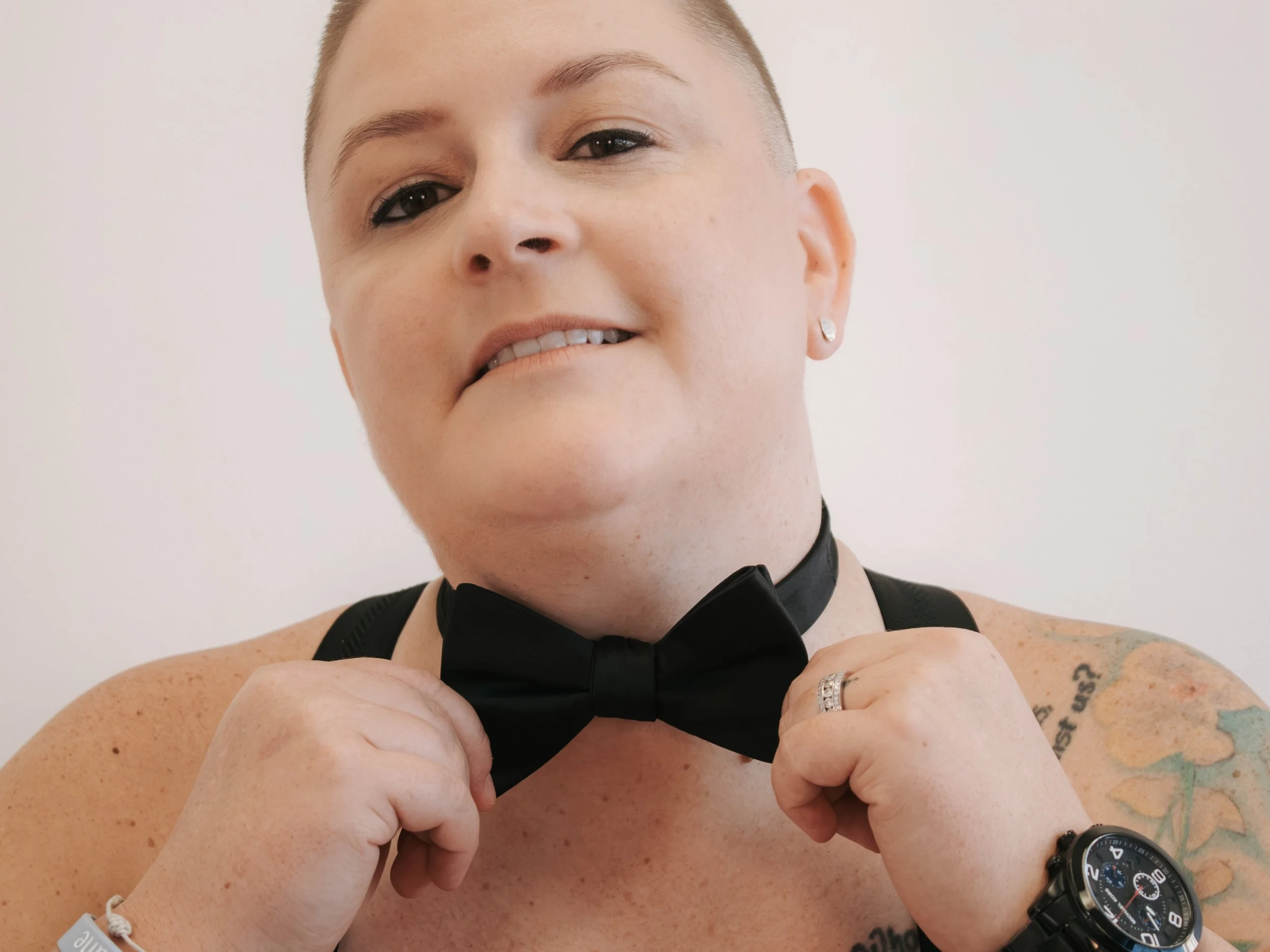
For Candi, cancer wasn’t an abstract possibility. She had watched it affect a family member she loved for years. Her aunt faced ovarian, cervical, and breast cancer over the course of a decade. Then Candi’s mom underwent genetic testing and learned she carried a harmful BRCA1 mutation.
That information gave Candi the opportunity to ask a question generations before her may never have been able to ask:
What can I do before cancer happens to me?
During National Hereditary Cancer Week and on National Previvor Day, we’re sharing Candi’s story—not because every person with a genetic mutation will make the same decisions she did, but because knowing your risk can give you the opportunity to make informed decisions about your own body and future.
Learning She Was BRCA1 Positive
After her mom tested positive for a BRCA1 mutation, Candi decided to undergo genetic testing herself.
Her result was positive, too.
BRCA1 and BRCA2 normally play an important role in repairing damaged DNA. Certain inherited harmful variants can significantly increase a person's risk of developing several cancers. According to the National Cancer Institute, more than 60% of women who inherit a harmful BRCA1 or BRCA2 variant will develop breast cancer during their lifetime. For women with a BRCA1 variant, lifetime ovarian cancer risk is estimated at approximately 39–58%.
But receiving that information and knowing what to do with it are two very different things.
For Candi, it took about a year to process.
She describes herself as a very literal person. She had been given information about her genetic risk, and eventually she reached a point where she knew what she wanted to do with it. She met with Dr. Garza and his team to begin discussing preventative surgery.
Choosing Surgery Before a Cancer Diagnosis
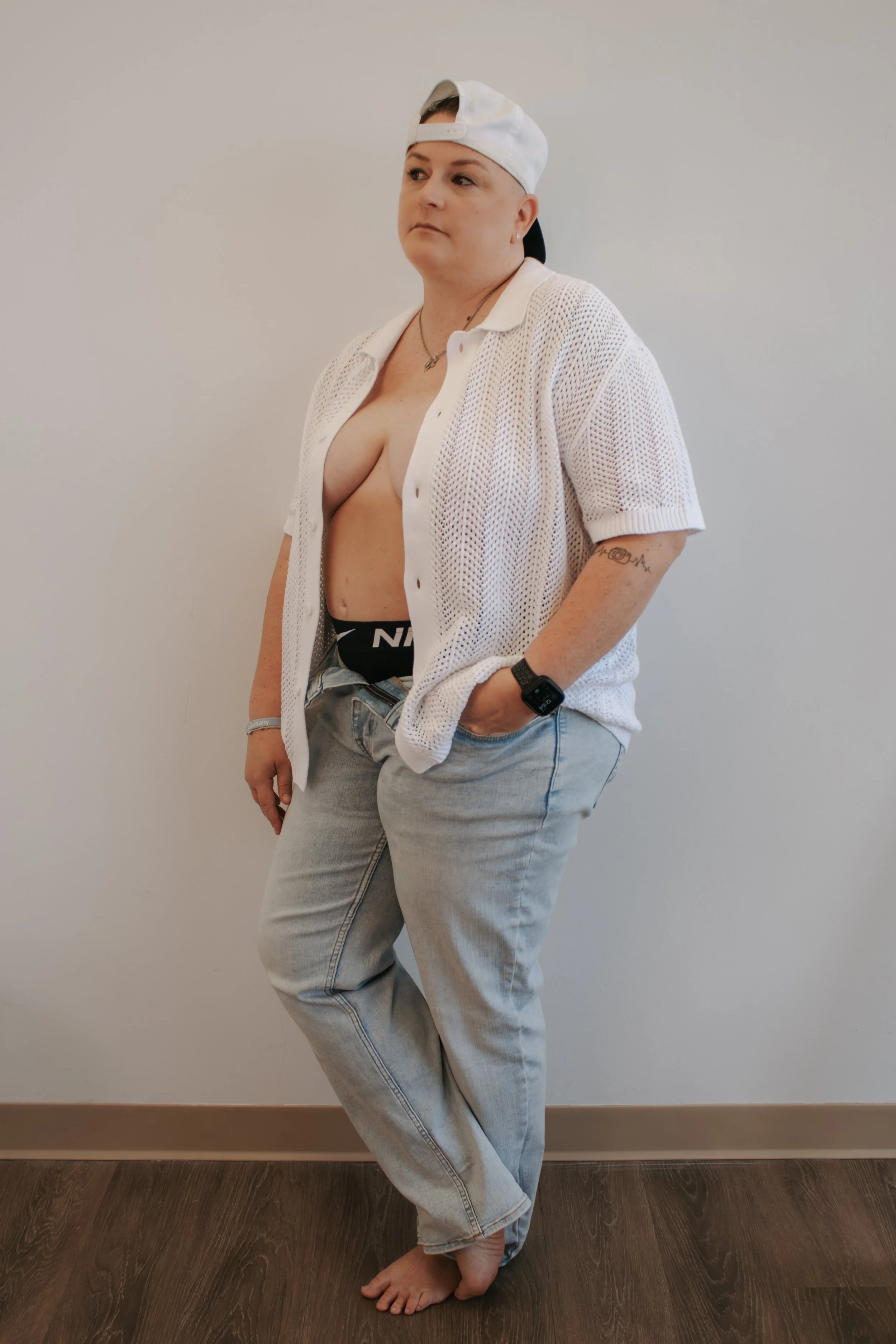
Candi ultimately chose to undergo a preventative bilateral mastectomy with immediate DIEP flap reconstruction.Unlike someone undergoing surgery as part of breast cancer treatment, Candi was making these decisions before being diagnosed with breast cancer. That is where the word previvor comes in.
A previvor is someone who has an increased predisposition to cancer but has not developed the disease. National Previvor Day specifically recognizes people navigating inherited cancer risk and the complicated decisions that can come with it—from genetic testing and increased surveillance to preventative surgery.
For people with harmful BRCA1 or BRCA2 variants, there isn't one universally right path. Options can include enhanced screening, risk-reducing medications in some circumstances, and risk-reducing surgeries. These decisions are highly individual and should be made with healthcare professionals familiar with hereditary cancer risk.
For Candi, surgery was the right decision. Risk-reducing bilateral mastectomy can reduce breast cancer risk by at least 95% in women with harmful BRCA1 or BRCA2 variants. It cannot reduce that risk to zero because it isn't possible to remove every breast cell that could potentially become cancerous.
And that distinction matters.
Preventative surgery isn't a guarantee that cancer will never happen. It's a decision to substantially reduce risk.
“Saving My Life Is What I’m Doing.”
One of the most striking parts of Candi's story is the disconnect she experienced between how other people sometimes viewed her surgery and what the decision actually meant to her.
Preventative mastectomy and reconstruction can sometimes be minimized with comments about getting a “free boob job” or a “tummy tuck.”
But Candi wasn't choosing surgery for cosmetic reasons. She was choosing major surgery, recovery, reconstruction, scars, and changes to her body because of what she had learned about her genetic risk.
As she put it:
“Saving my life is what I’m doing—and what I did—in my eyes.”
That perspective is an important part of understanding the previvor experience. You don't have to receive a cancer diagnosis for hereditary cancer to change your life.
Knowing you're at increased risk can mean years of screening. It can mean difficult conversations with family members. It can mean decisions about fertility, breasts, ovaries, reconstruction, menopause, and surgeries you never imagined having to consider.
And sometimes, it means making choices while you're technically still “healthy.”
Preventative Doesn't Mean Easy
Candi's mastectomy addressed one major part of her hereditary cancer risk, but BRCA1 doesn't only affect breast cancer risk.
People with harmful BRCA1 variants also have substantially elevated ovarian cancer risk, and there is currently no effective ovarian cancer screening method known to detect these cancers early enough to improve long-term survival. Risk-reducing removal of the ovaries and fallopian tubes is therefore another option BRCA1 carriers may discuss with their healthcare teams. For someone who is premenopausal, however, removing the ovaries causes early menopause—another significant consideration.
Candi has spoken about considering additional preventative gynecologic surgery and what premature menopause could mean for her.
It is another reminder that “preventative” does not mean simple.
These decisions can carry physical, hormonal, emotional, sexual, and reproductive consequences. Choosing them proactively doesn't make those consequences less real.
A Seat at the Table
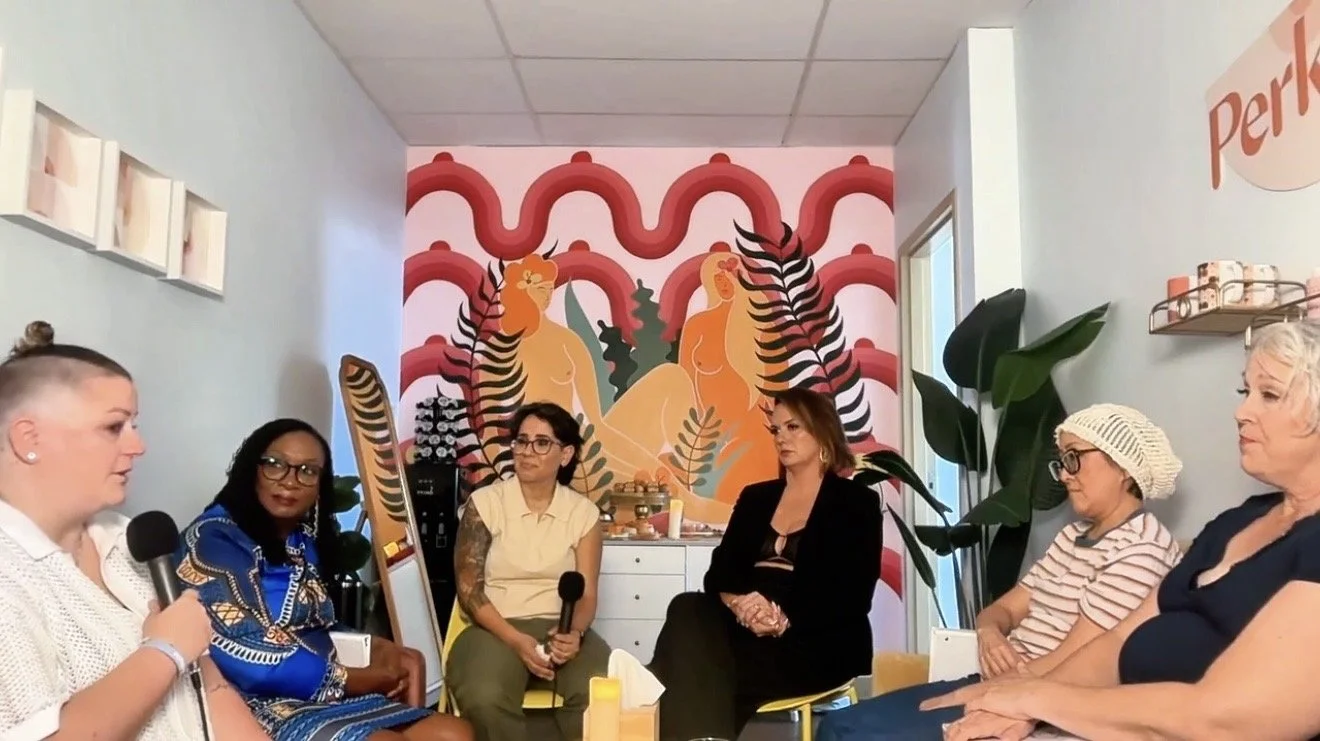
During a roundtable conversation with Epic After, Candi shared something many previvors may struggle to say out loud: she sometimes feels guilty that she never had breast cancer.
Surrounded by survivors and thrivers, she questioned where her experience fit. Krystal of Plot Twist and Epic After was quick to remind her that she has a seat at the table, too—none of the women wished breast cancer on her, and they were grateful to see someone have the information and opportunity to make a preventative choice.
Miya, a metastatic breast cancer thriver emphasized how important it is for conversations about genetic risk and prevention to become more visible. Stacy of Epic After also acknowledged the mental health side of Candi's decision: living with the knowledge of her risk and choosing not to act would have carried its own emotional weight. The group connected that guilt to something many of them understood in their own ways—survivor's guilt.
And despite the very different paths that brought them together, Candi found at least one experience they could all agree on:
Those post-surgery drains are terrible.
The Power—and Weight—of Knowing
Candi's aunt's experience with cancer ultimately led to her mom's genetic testing. Her mom's result led to Candi's testing. And Candi's result gave her information she could act on. That's one reason family history matters.
If breast, ovarian, pancreatic, prostate, or certain other cancers appear repeatedly in a family—particularly at younger ages—it may be worth discussing that history with a healthcare provider or genetic counselor. Genetic counseling can help someone understand whether testing is appropriate, what different results mean, and how a result could affect both the individual and their biological relatives.
Genetic information can be frightening. It can also create options.
For Candi, knowing her BRCA1 status meant she had the opportunity to make decisions about her risk before receiving a breast cancer diagnosis.
There Is More Than One Kind of Cancer Story
At Perky, we spend a lot of time talking about survivorship. But National Previvor Day is an important reminder that there are people living within the breast cancer community whose stories began differently.
Some heard the words, “You have breast cancer.”
Others heard, “You have a genetic mutation that significantly increases your risk of developing it.”
Both can change the way someone sees their body, their health, and their future.
Previvors may undergo many of the same surgeries and reconstructive procedures as breast cancer survivors. They may wake up without their breasts. They may navigate scars, loss of sensation, reconstruction, changes in body image, and decisions about what comes next.
Their story deserves space, too.
Candi watched cancer affect her family and then learned that she carried the same inherited risk. She couldn't control the gene she inherited. But once she knew it was there, she could decide what she wanted to do with that information.
And that's ultimately what her story is about:
Knowledge. Choice. Autonomy. And having the opportunity to make an informed decision about your body before cancer gets to make that decision for you.
For National Previvor Day, we're honoring Candi—and every person living in the complicated space between having an increased cancer risk and having cancer.
Your story doesn't have to begin with a diagnosis to matter.
Educational note: This story reflects Candi's individual experience and decisions. Genetic risk and appropriate screening or risk-reducing options vary by person, gene variant, family history, age, and other factors. Anyone concerned about hereditary cancer risk should discuss their personal history with a qualified healthcare provider or genetic counselor. For evidence-based information about BRCA1/2, genetic testing, screening, and risk-reducing options, visit the National Cancer Institute's BRCA fact sheet. For National Hereditary Cancer Week, Previvor Day, hereditary cancer resources, and peer support, visit FORCE: Facing Our Risk of Cancer Empowered
