
The Body Image Issue | Inspiring AND Desired | Perky x EPIC After
What happens when the body you've spent years criticizing is the same body that has fought to keep you alive?
For many women, learning to love their bodies is a lifelong process. We spend years examining our reflections, identifying imperfections, wishing certain things looked different, and comparing ourselves to some imaginary standard of what a woman's body should be.
We criticize the things we can see. The things we can't change. And sometimes, the very bodies that carry us through the most difficult experiences of our lives.
For Krystal, that realization carries an especially powerful meaning. She's a three-time cancer survivor. Her first diagnosis came when she was just three years old. Her second, nearly three decades later. And her third, five years after that.
She's experienced chemotherapy, radiation, a double mastectomy, multiple breast reconstructions, and the emotional weight of wondering whether cancer might return again.
And somewhere along the way, she began looking at her body differently. Not as something that needed to be perfect. But as something that deserved love.
This is Krystal's story.
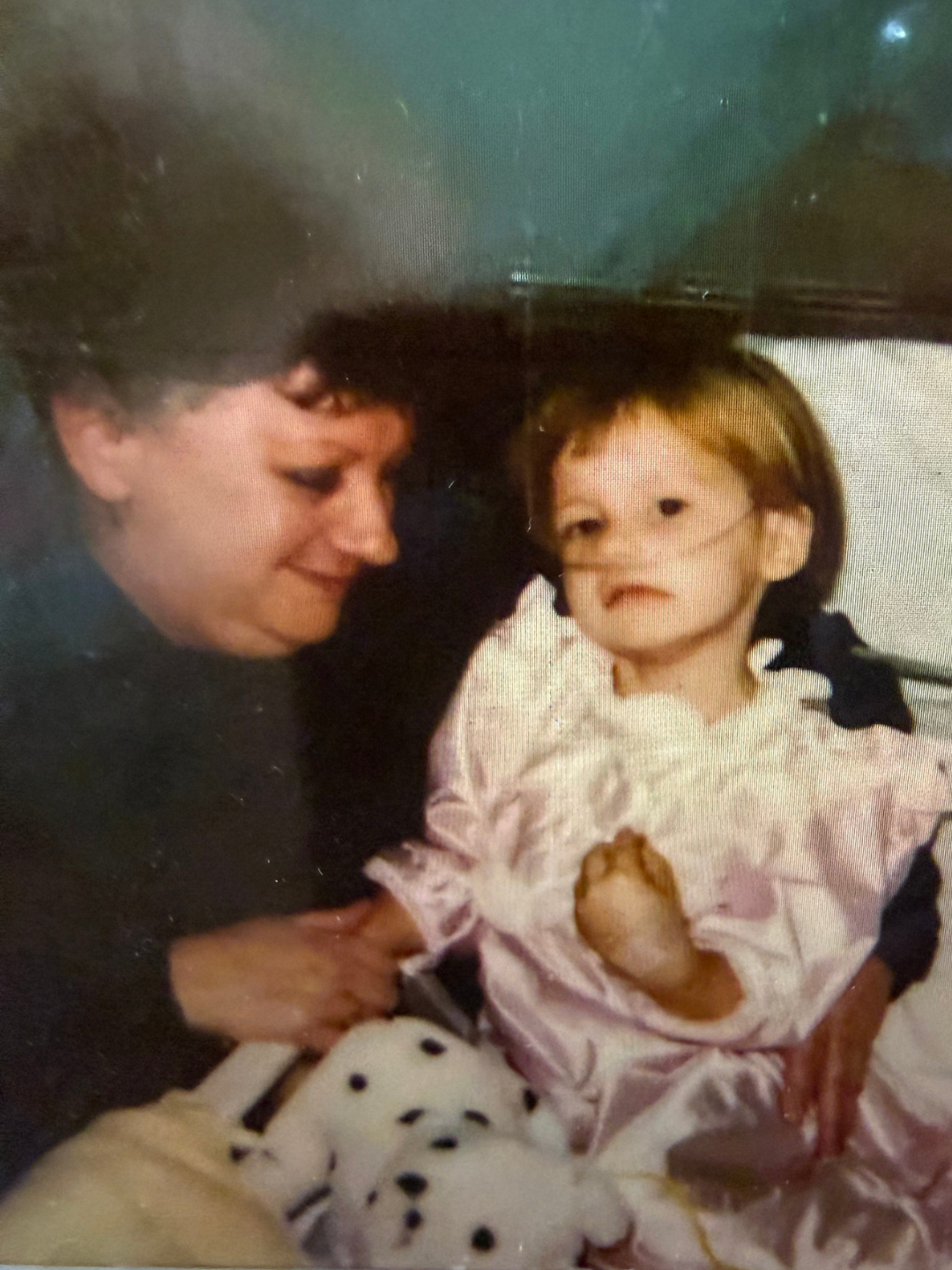
A Cancer Journey That Began at Three Years Old
At just three years old, she was diagnosed with acute lymphoblastic lymphoma. She underwent chemotherapy and radiation on and off for approximately two years. Those treatments helped save her life. But decades later, she would face a devastating consequence of the radiation she received as a child.
During our Step In To Her Reality roundtable, Krystal explained: "The radiation I received that gave me 30 extra years of life, also cause my breast cancer at 32 years old."
It's a difficult reality to comprehend. A treatment that helped save her life as a child also contributed to her risk of developing another cancer as an adult.
Radiation exposure during childhood, particularly involving the chest, is associated with an increased risk of breast cancer later in life. For Krystal, that risk became part of her reality at just 32 years old.
Breast Cancer at 32
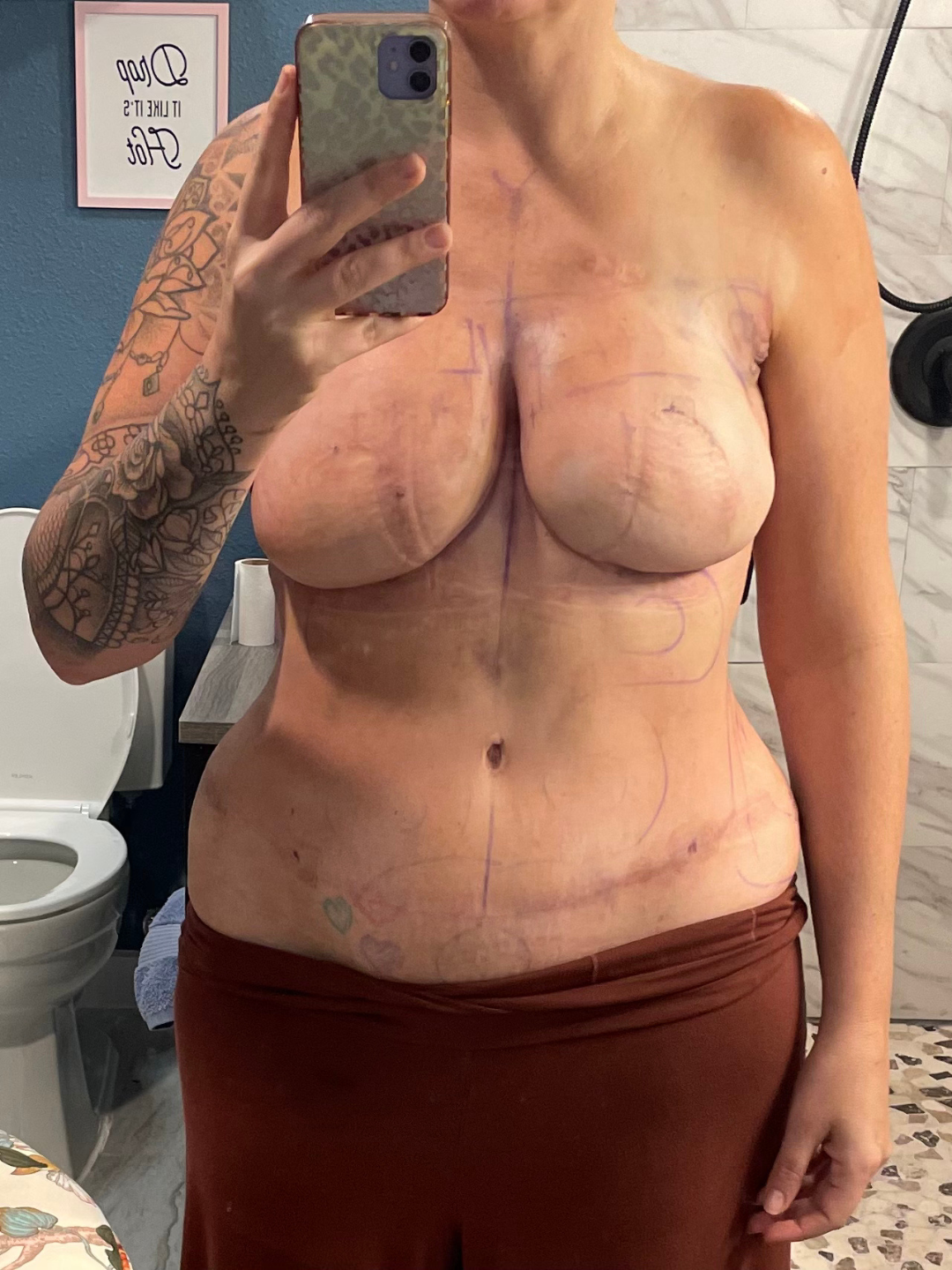
When Krystal received her breast cancer diagnosis, she was no stranger to cancer treatment. But knowing what cancer is doesn't necessarily make hearing the diagnosis any easier. This time, the disease threatened a different part of her body and brought an entirely new set of decisions. She underwent chemotherapy and a bilateral mastectomy, followed by breast reconstruction using implants. Krystal also initially preserved her nipples. She had undergone treatment, made difficult surgical decisions, and moved forward with her life.
But five years later, breast cancer returned.
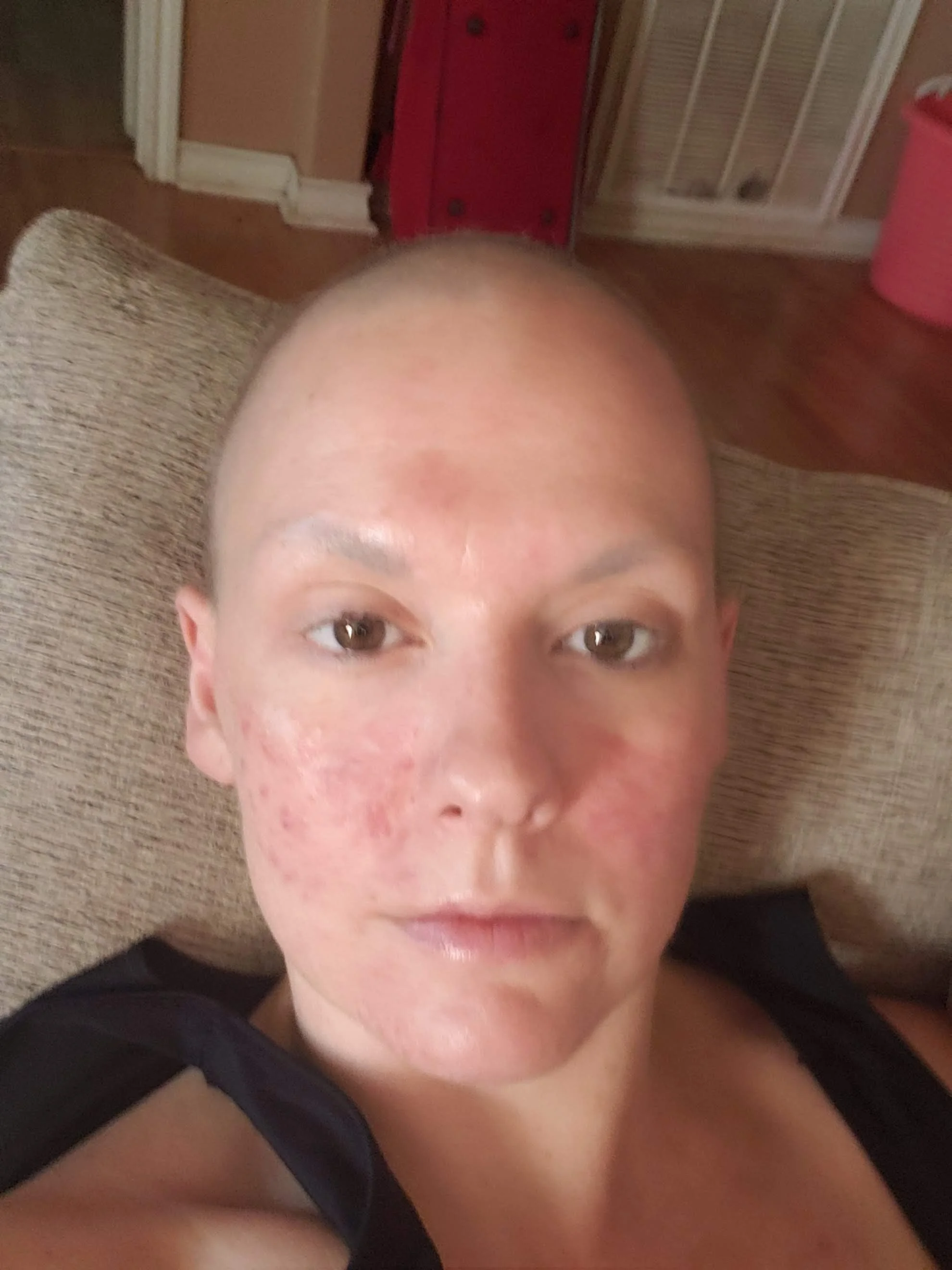
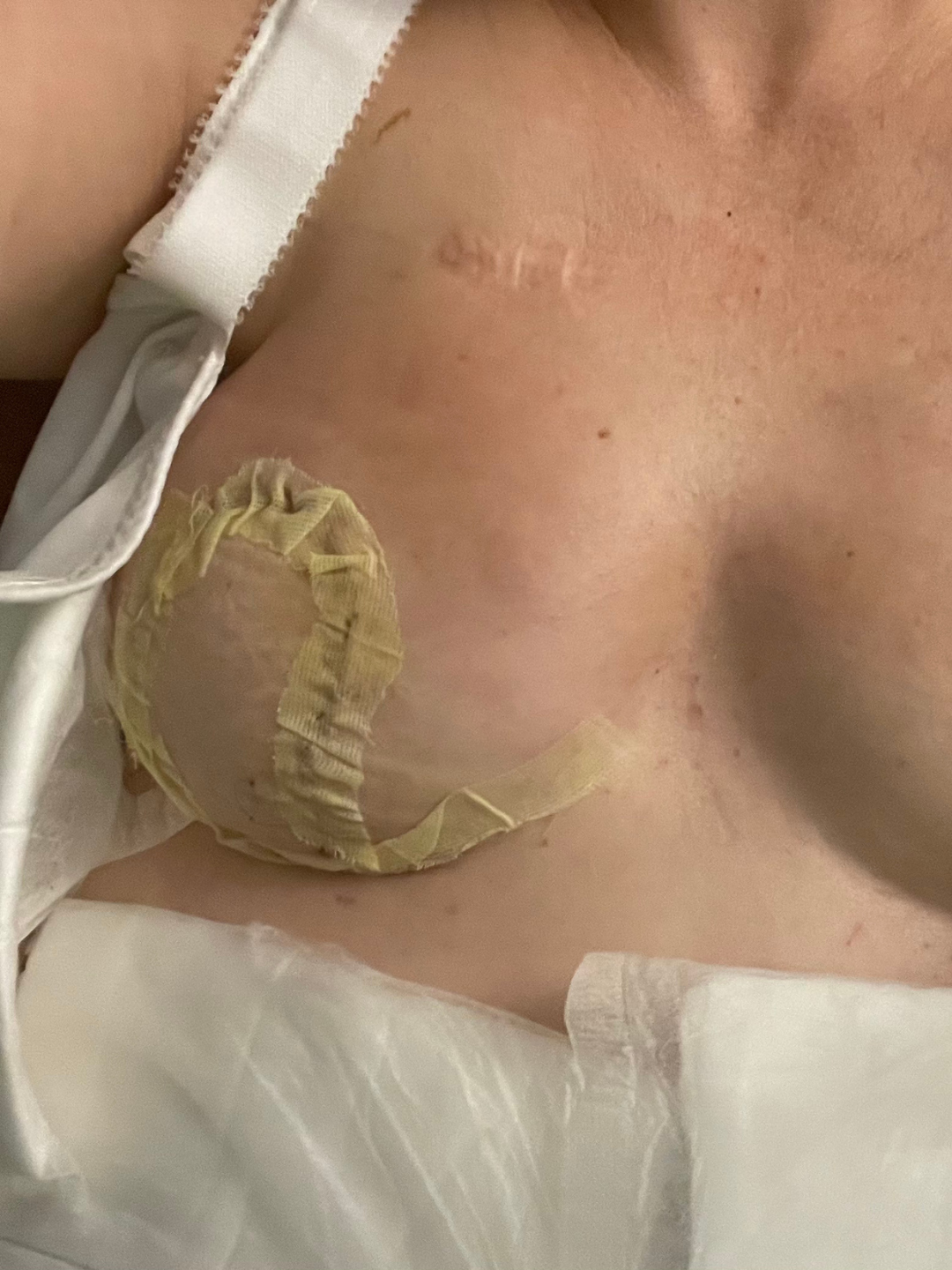
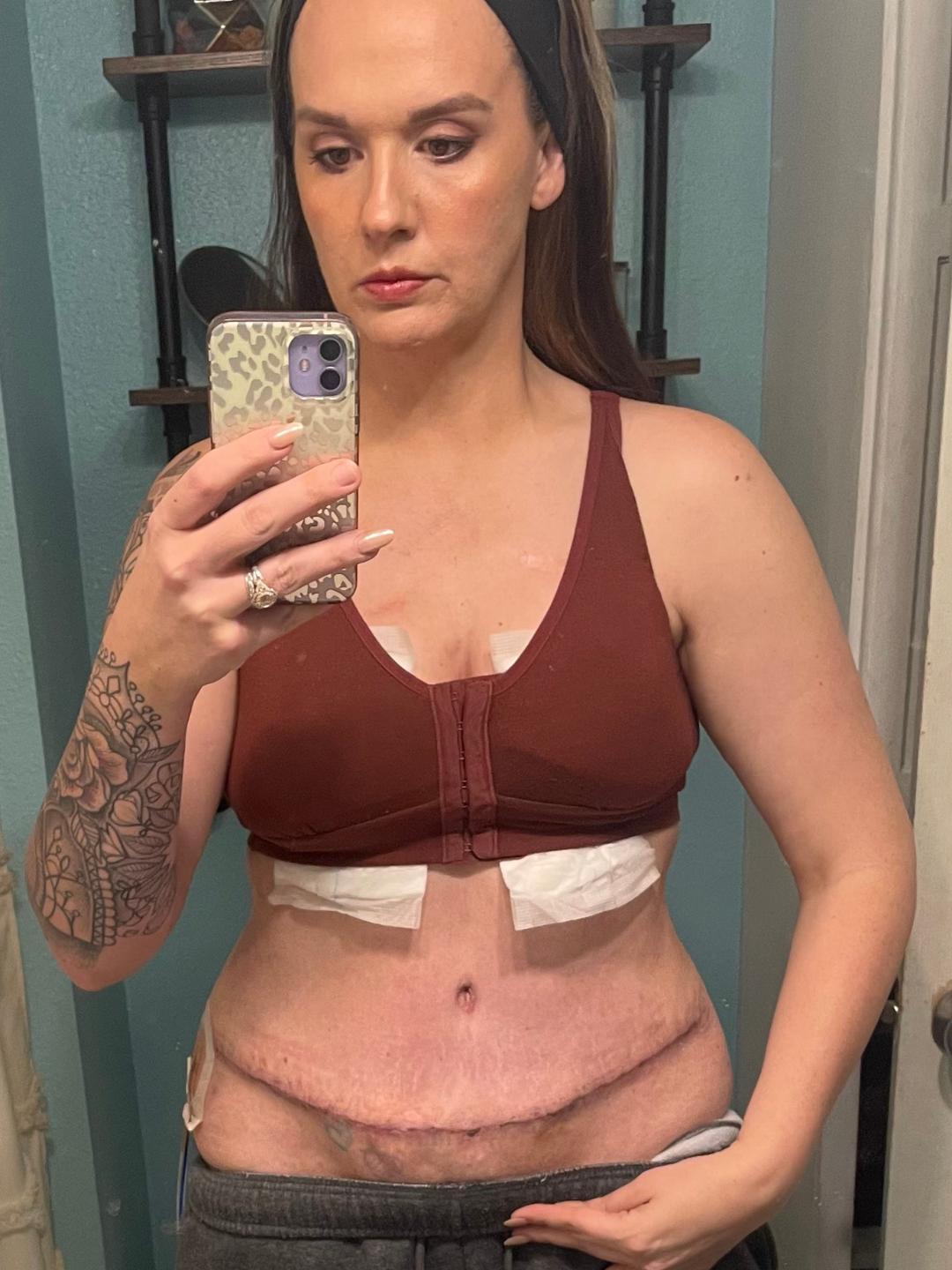
"I Had Already Done Everything It Required."
Imagine undergoing a double mastectomy in the hope of protecting yourself from breast cancer, only to be diagnosed again. That was Krystal's reality.
Five years after her initial breast cancer diagnosis, she received the news that cancer had returned.
During our roundtable, she described the frustration of feeling as though she had already done everything that had been asked of her. She had removed both breasts. She had undergone chemotherapy. She had completed the treatments and surgeries intended to address her cancer. And still, she was facing it again.
While mastectomy can significantly reduce breast cancer risk, it cannot eliminate the possibility of recurrence. For Krystal, her third cancer diagnosis meant making more decisions about her body. This time, she chose to have her remaining nipples removed. She also decided to replace her implant reconstruction with DIEP flap reconstruction.
Four surgeries later, Krystal was once again navigating recovery and the physical changes that come with breast cancer treatment. But the effects of cancer weren't limited to what could be seen. There was also the reality of living with the possibility that it could happen again.
When Cancer Never Completely Leaves Your Mind
We often talk about cancer survivorship as though it begins when treatment ends.
The final chemotherapy appointment. The last radiation session. The completion of surgery. The moment someone is told there is no evidence of disease.
These milestones can be incredibly meaningful. But they don't necessarily mean the fear disappears.
For Krystal, cancer has been part of her life since childhood. And after three diagnoses, the possibility of another recurrence is something she continues to carry.
"I live every day with cancer on my mind and on my brain."
Those words reveal a side of survivorship that isn't always visible in photographs or celebratory posts. The uncertainty. The awareness of what could happen. The difficulty of fully separating your future from your medical history.
For some survivors, fear of recurrence can become an ongoing part of life, even years after treatment.
It doesn't mean they aren't grateful. It doesn't mean they aren't enjoying life. And it certainly doesn't mean they aren't strong. It means they've experienced something that has changed the way they understand uncertainty.
For Krystal, that perspective also influences how she sees women living with metastatic breast cancer.
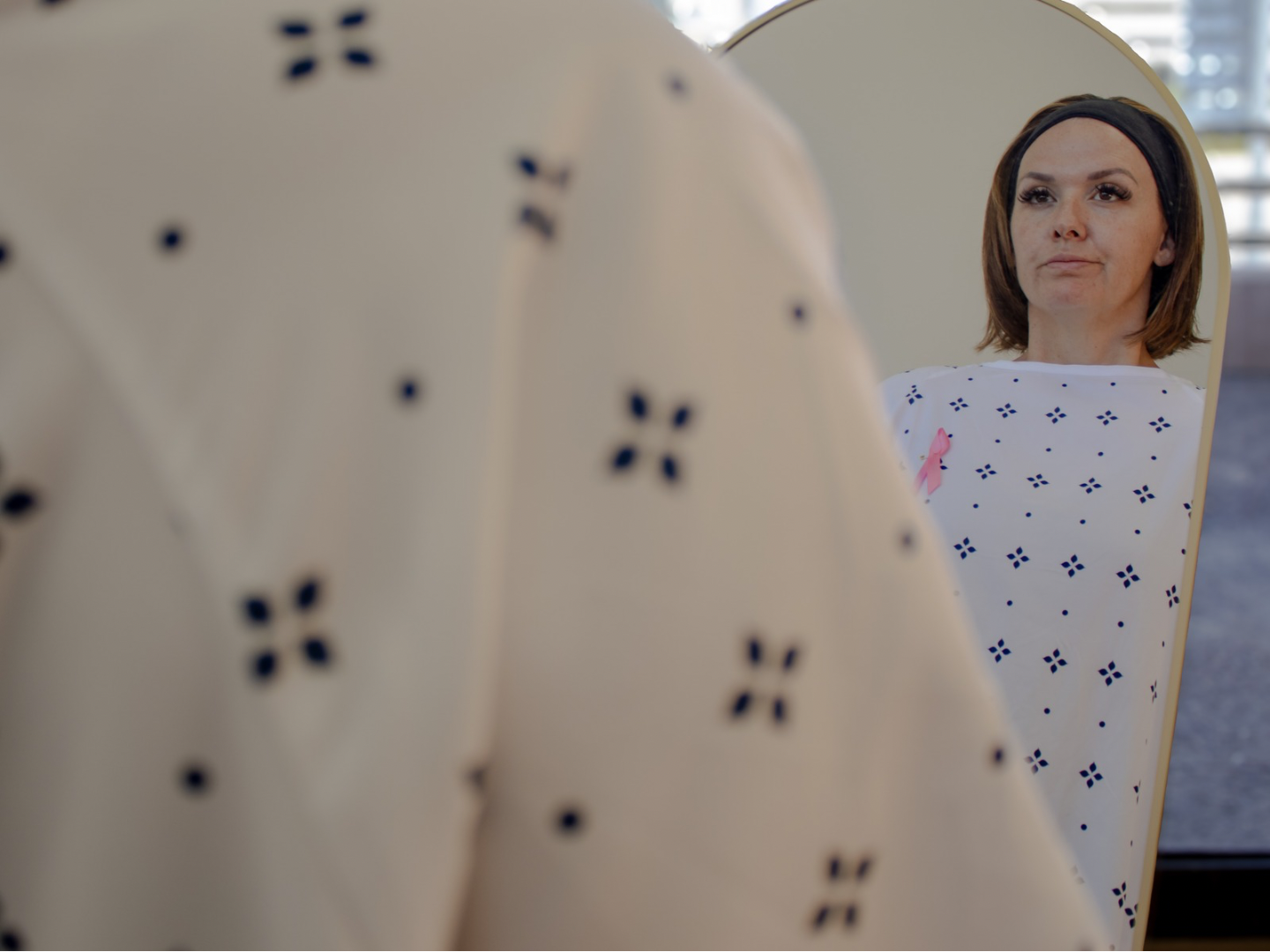
"I Don't See Pity. I See a Mirror."
Of everything Krystal shared during our roundtable, this statement deserves particular attention.
"When I look at people that were diagnosed with Stage IV, I see a mirror, I don't see pity or sadness, I just see hey maybe that could be me."
She went on to explain that she also feels deeply inspired by those women. It's a perspective that challenges the way metastatic breast cancer is sometimes discussed.
For someone who has experienced recurrence, metastatic disease may not feel like a distant possibility belonging to someone else's story. It can represent a future they fear for themselves. And when Krystal looks at women living with stage IV breast cancer, she doesn't want to reduce them to their diagnosis.
She recognizes their humanity. Their strength. Their individuality. And the reality that their lives are not defined solely by the disease they are living with.
Metastatic Breast Cancer Deserves More Than Sympathy
Metastatic breast cancer, also called stage IV breast cancer, occurs when breast cancer spreads beyond the breast and nearby lymph nodes to distant areas of the body.
While treatments can control the disease for extended periods in some people, metastatic breast cancer is generally considered incurable with current therapies. Women living with metastatic breast cancer need continued access to treatment, research, clinical trials, and supportive care. But they also deserve something that can get lost in conversations about their diagnosis.
To be seen as people. Not just patients. Not just statistics. Not simply as someone else's greatest fear.
Krystal's words remind us that compassion doesn't have to look like pity.
We can acknowledge the seriousness of metastatic breast cancer while recognizing the full lives, relationships, personalities, and identities of the people living with it. We can advocate for more research and better treatment options without reducing those women to their prognosis. And we can make space for the complicated emotions that come with survivorship.
Fear and admiration can coexist. Gratitude and uncertainty can coexist. Hope and realism can coexist.
Women living with metastatic breast cancer deserve more time, more treatment options, and more opportunities to live their lives on their own terms.
The Body She Spent Years Criticizing
There is another part of Krystal's story that we believe so many women will recognize. And it isn't exclusive to breast cancer.
During our conversations, Krystal reflected on how much time she had spent criticizing her body.
Finding things she didn't like. Focusing on perceived imperfections. Wishing parts of herself were different.
Things many women do without giving them a second thought.
But after everything her body had experienced, she began reconsidering the way she spoke about it. She recognized that the body she had spent so much time criticizing was never deserving of that harshness.
It had been through childhood cancer. Chemotherapy. Radiation. Breast cancer. A recurrence. Multiple surgeries. And years of recovery.
Yet for so long, she had focused on what she believed was wrong with it. What if, instead, she could appreciate everything it had endured? What if she could stop looking at her body as something that needed to be fixed? What if she could simply love it?
When Did We Learn to Be So Hard on Ourselves?
Think about how many times you've looked in the mirror and immediately identified something you wanted to change.
Your stomach. Your breasts. Your skin. Your scars. Your weight. The way your body looks compared with how it used to look.
Now imagine looking back at those moments after experiencing a life-altering diagnosis.
Would you still see those things as flaws? Would you wish you had spent less time criticizing yourself? Would you recognize that the body you were so hard on deserved more kindness?
For Krystal, cancer has given those questions a different meaning.
Her body has changed in ways she never anticipated.
And while those changes can carry grief, frustration, and complicated emotions, she is working toward a relationship with her body that isn't defined by criticism.
Not because her body is perfect by someone else's standards, but because it was always worthy of love.
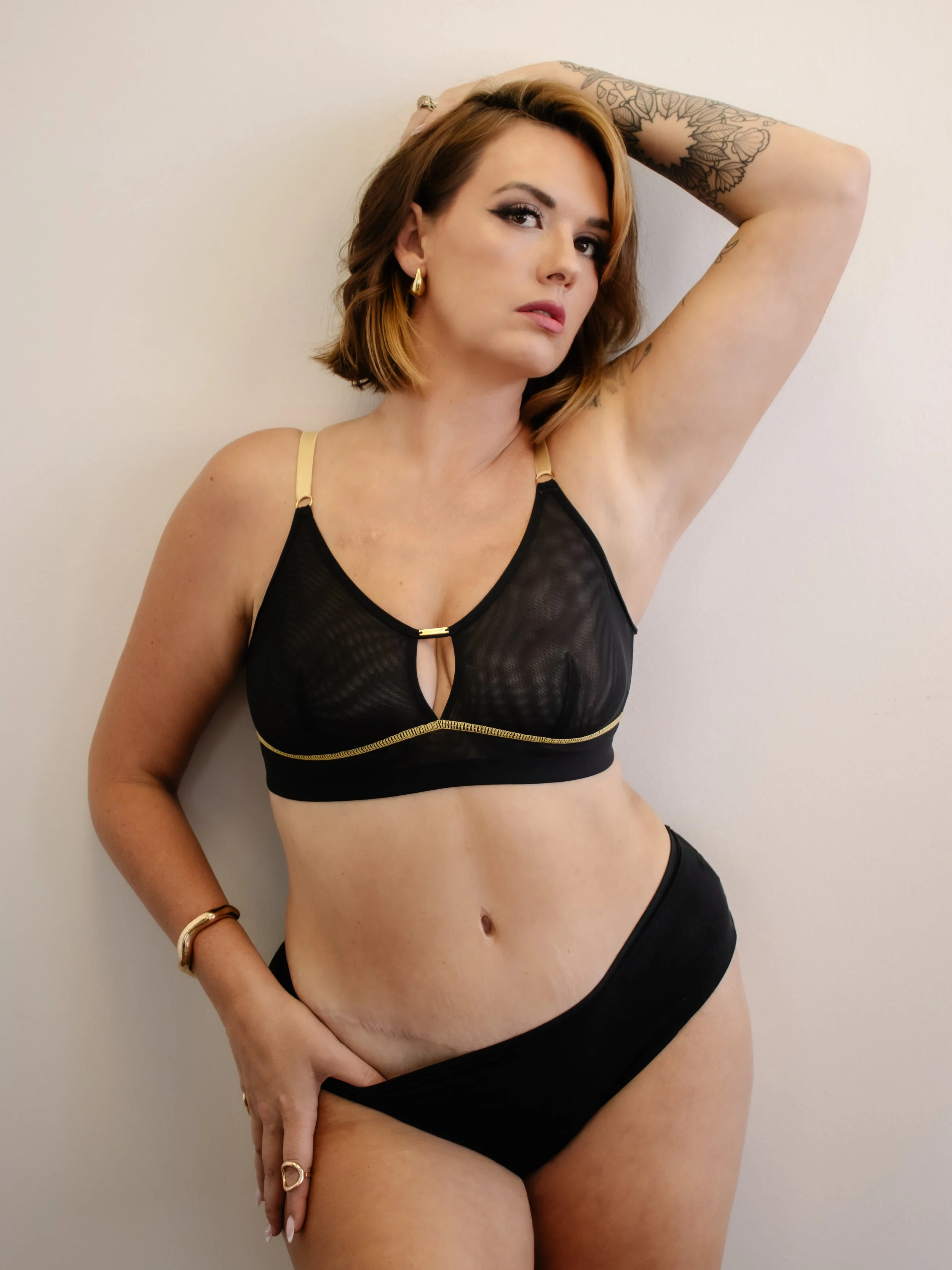
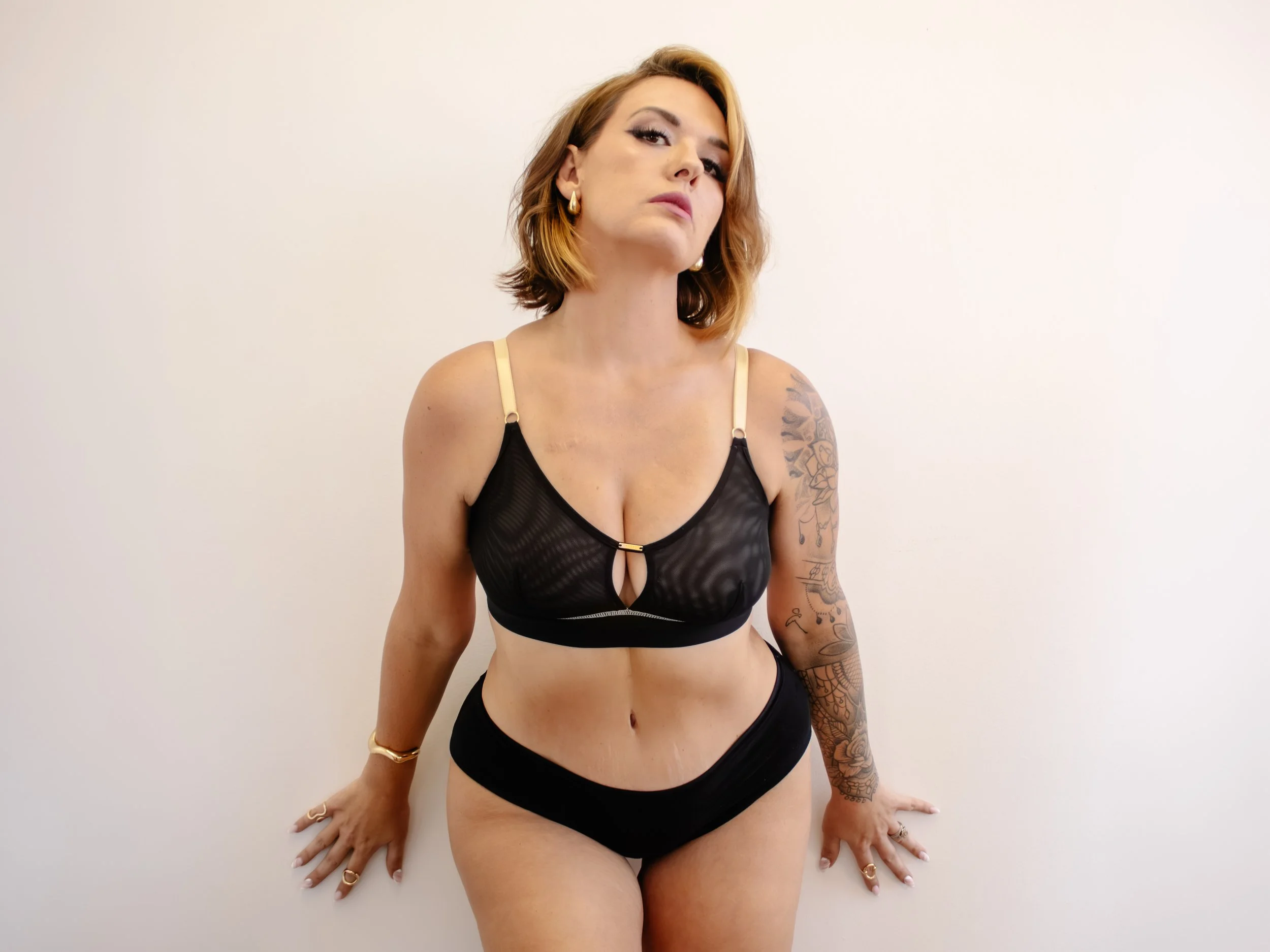
Learning to Love a Body Changed by Cancer
Body acceptance after breast cancer isn't always straightforward.
A woman may be grateful for her reconstruction and still struggle with how her breasts look or feel. She may appreciate her scars as reminders of what she's endured while also wishing they weren't there. She may feel confident one day and disconnected from her body the next.
Those feelings aren't contradictory. They're human.
For Krystal, her experience with breast reconstruction involved multiple changes to her body.
She initially underwent implant reconstruction while preserving her nipples. Following her recurrence, she chose to remove her nipples and eventually transitioned to DIEP flap reconstruction. Each decision came with its own physical and emotional considerations.
And although breast reconstruction can restore breast shape, it doesn't necessarily restore the appearance, sensation, or emotional connection a woman previously had with her breasts. That distinction matters. Because sometimes the things that affect body image most deeply aren't the things other people notice. They're the things a woman notices when she looks in the mirror. Or the things she feels are missing during moments of intimacy.
"It Was Never Just About the Nipples."
At Perky, we've had the privilege of being part of Krystal's restoration journey.
After losing her nipples following her breast cancer recurrence, Krystal spoke openly about how their absence affected her intimacy. And we think that conversation is incredibly important.
Nipples aren't simply an aesthetic detail. For some women, they are closely connected to body image, femininity, sexuality, and the way they recognize their breasts as their own. For others, nipples may hold little importance. Neither experience is more valid than the other.
But when a woman tells us that losing her nipples has affected her relationship with her body, we believe that deserves to be heard.
Not dismissed as cosmetic. Not minimized because she's survived cancer. And not treated as something she should simply be grateful to live without. Surviving cancer doesn't mean a woman stops caring about how she looks, how she feels, or how she experiences intimacy.
Krystal eventually chose to receive 3D nipple-areola tattoos at Perky. And in true Krystal fashion, she shared the experience publicly, receiving her tattoos live on her podcast Plot Twist: Still Alive.

The Woman in the Mirror
For much of her life, cancer has been something she's had to confront. It has influenced her health, her medical decisions, her physical appearance, and the way she thinks about her future. But she is also learning that she gets to decide how she speaks to herself.
How she sees her reflection. And how much power she gives to the things she once considered imperfections.
That doesn't mean every day is easy. It doesn't mean fear disappears. And it doesn't mean she has to love every physical change cancer has brought. Body acceptance doesn't require pretending that difficult things aren't difficult. It simply means choosing not to be cruel to yourself about them. Recognizing that your body deserves care even on the days you don't feel confident. Allowing yourself to grieve what has changed without believing those changes make you less beautiful. And understanding that your worth was never dependent on having a particular body in the first place.
For Krystal, this is an ongoing process. One shaped by decades of experiences that most people will never fully understand. But perhaps that's what makes her perspective so meaningful. After everything her body has endured, she's learning to offer it something she wishes she'd given it more freely all along.
Love.
Your Body Was Never the Enemy
Krystal's story leaves us with a question worth asking ourselves.
What if we stopped waiting for our bodies to look a certain way before deciding they deserved love? What if we stopped measuring beauty by the things we wish we could change? What if we looked at our scars, our differences, our imperfections, and our changing bodies with a little more compassion?
And what if we recognized that our bodies don't have to endure something extraordinary to be worthy of kindness?
You don't have to survive cancer to deserve a loving relationship with your body. You don't have to earn that love through suffering. You don't have to wait until you've changed the things you dislike.
Krystal's story reminds us that sometimes the most meaningful transformation isn't the one we can see. It's the way we learn to see ourselves.
The body she spent years criticizing was worthy of love all along.
And so is yours.
Step Into Her Reality: Beyond the Ribbon

Krystal is one of six women featured in Perky x EPIC After's Inspiring AND Desired campaign.
Through intimate photography, personal stories, and candid roundtable conversations, we're exploring the realities of breast cancer that don't always make it into traditional awareness messaging. From body image and intimacy to previvorship, metastatic breast cancer, and life after treatment, these women are sharing their experiences in their own words.
Not to be defined by cancer. But to be seen beyond it.
Watch our documentary, Step Into Her Reality, and hear the conversations behind the campaign.
You know the ribbon. Now, get to know the women behind it.
