
The start of a new year brings fresh intentions, quiet promises to ourselves, and a chance to reset. While resolutions often focus on productivity, fitness, or routines that don’t last past January, we want to invite you into something simpler — and far more impactful.
On January 1st (and every month after), we invite you to Feel It on the First.
A breast self-exam is a small act of self-connection that takes just a few minutes and can make a lifelong difference. Whether you’re a survivor, a previvor, or someone who has never been personally affected by breast cancer — this practice matters.
Below is a step-by-step guide you can follow along with.
Step 1: Look Before You Touch
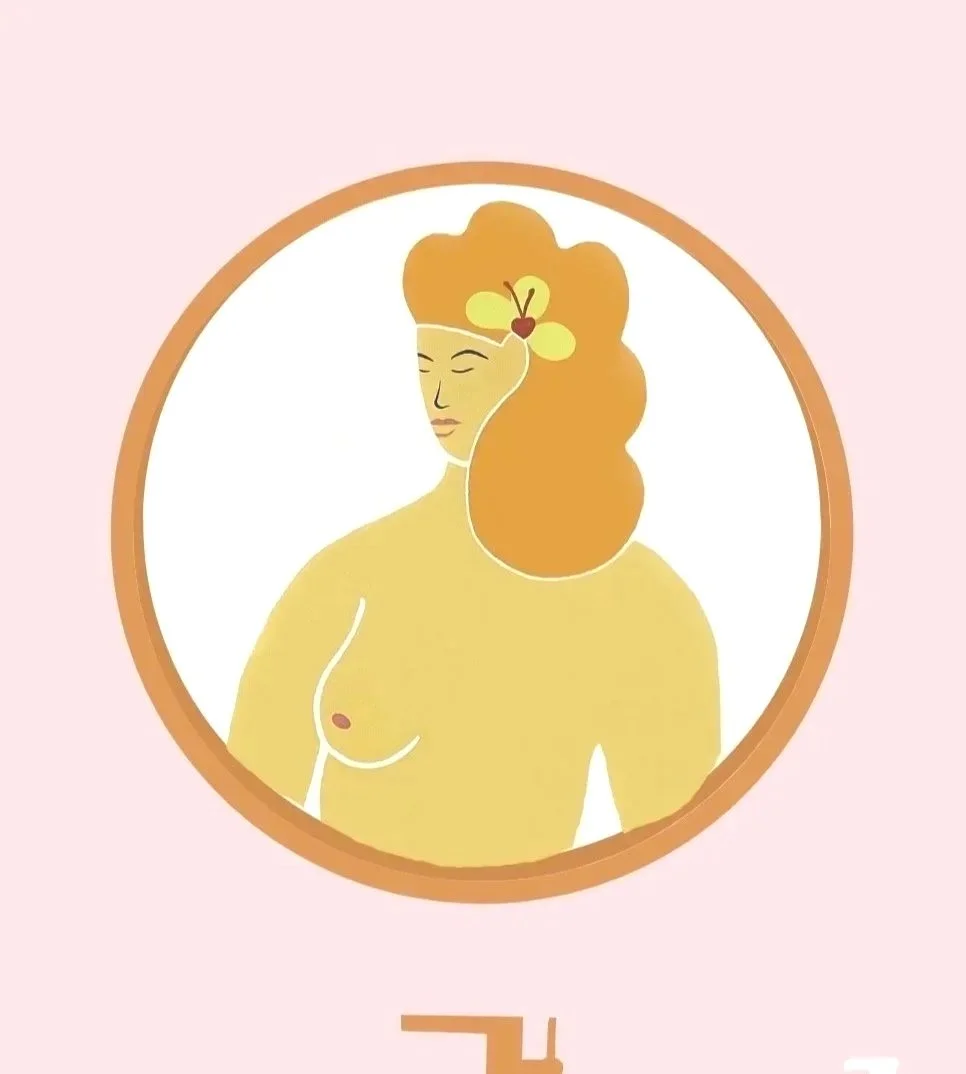
Stand in Front of the Mirror
Begin by standing in front of a mirror with your arms relaxed at your sides. Take a moment to visually observe your chest.
Look for:
Changes in size or shape
Skin dimpling or puckering
Redness or rash
Changes to the nipples (inversion, discharge, or texture)
Raise Your Arms
Lift your arms overhead and look again. This position can make subtle changes more noticeable.
Check for:
Skin pulling or asymmetry
Changes along the chest wall or underarms
Any visible swelling or contour changes
This step is about awareness — noticing what’s normal for you so changes are easier to spot.
Step 2: Circles
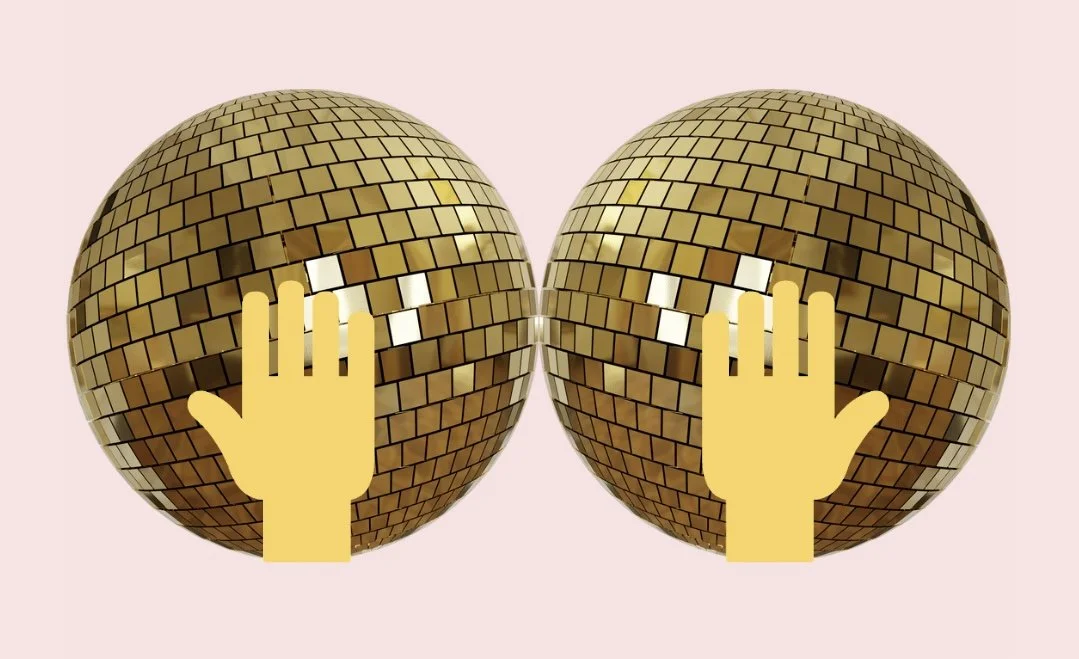
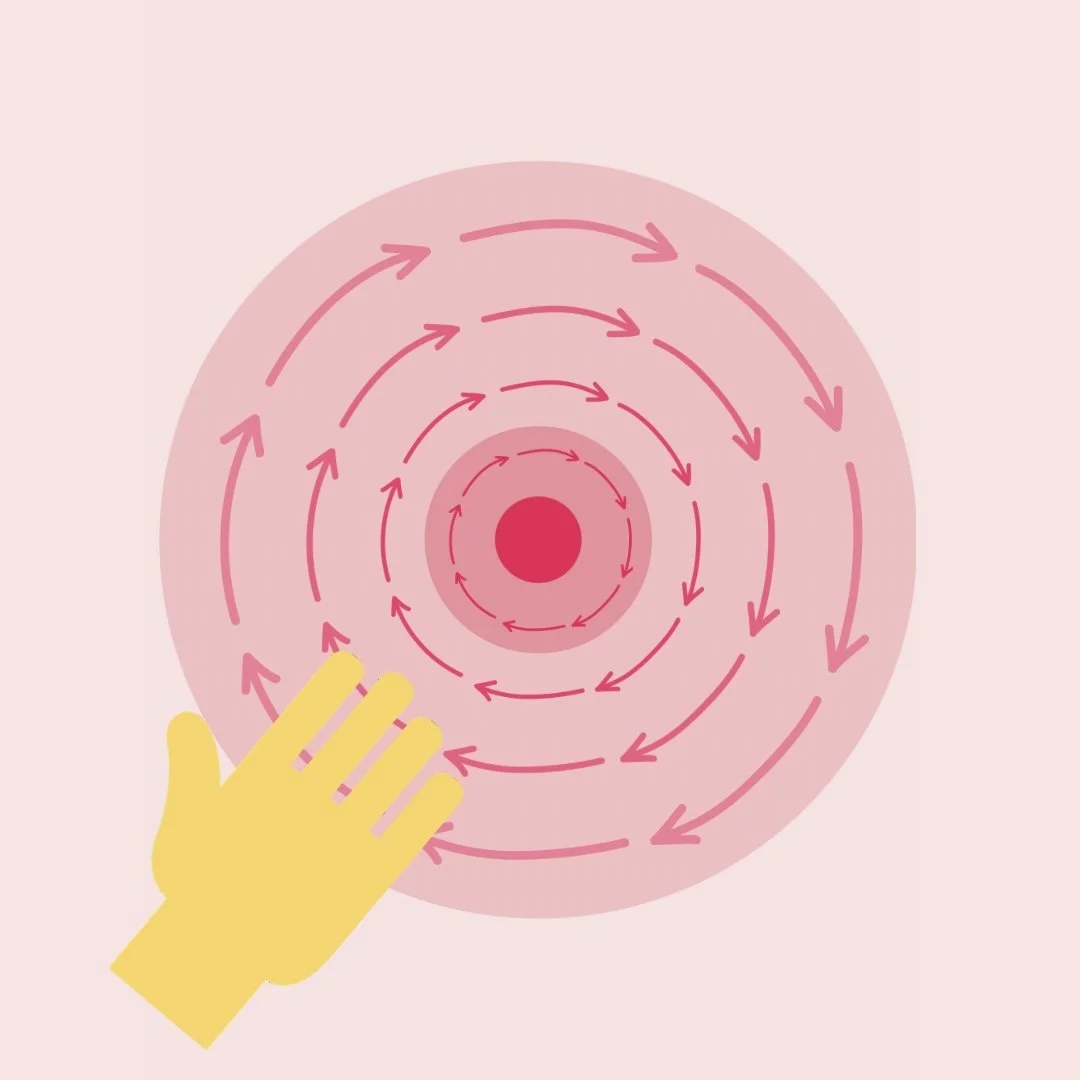
Using the pads of your fingers, gently but firmly feel your breast tissue. Move in a circular pattern, working your fingers from outer to inner breast, ending at the nipple.
You’re feeling for lumps, thickening, or areas that feel different than usual.
Step 3: Lines
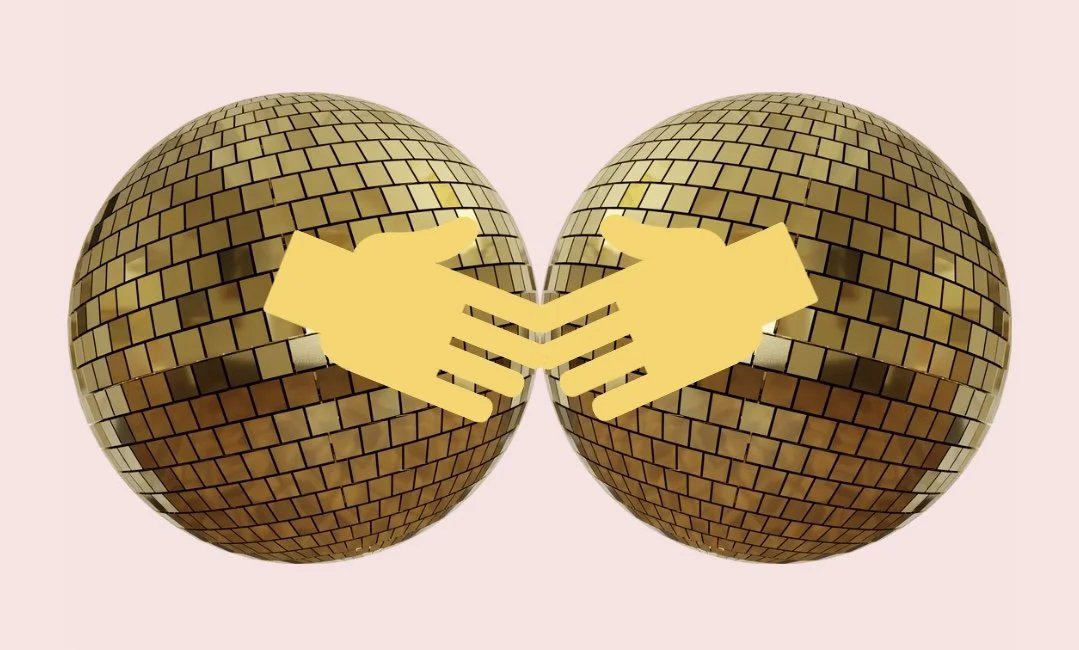
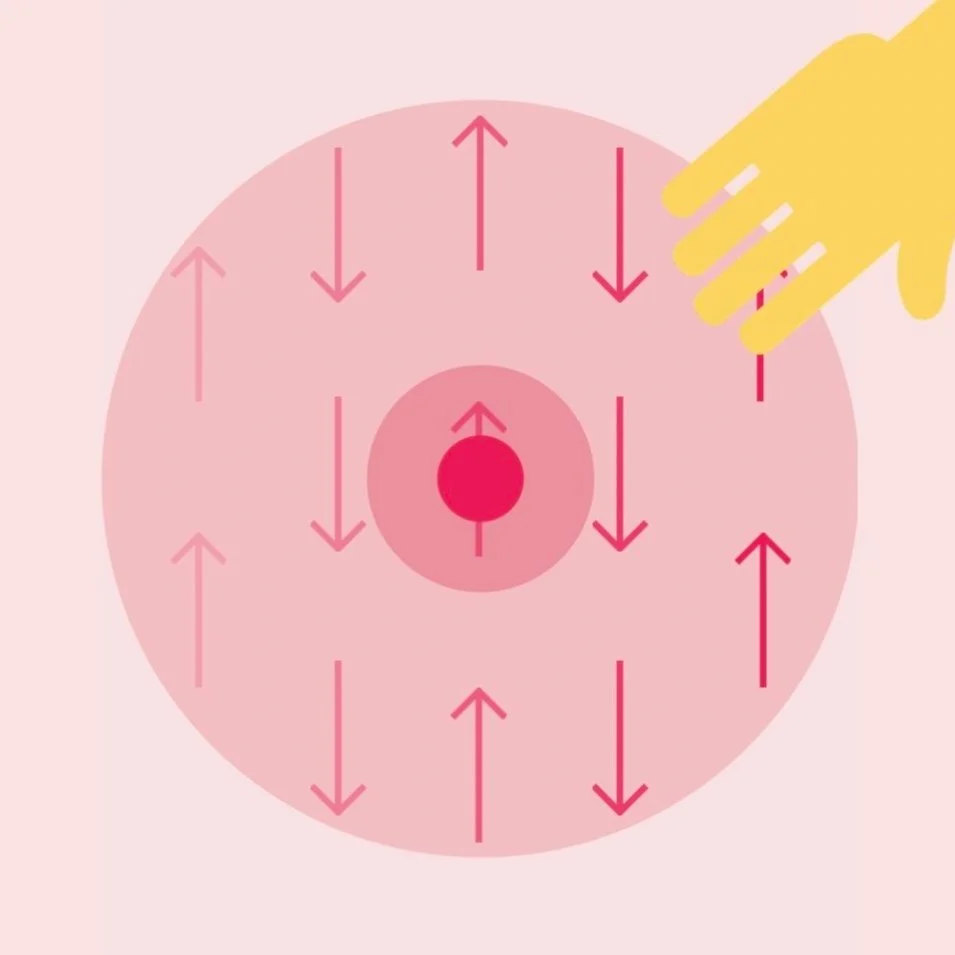
In a linear pattern, finger crawl up & down each breast, ending at the cleavage. Here, you’re still feeling for lumps, thickening, or areas that feel different than usual.
Step 4: Quadrant Check
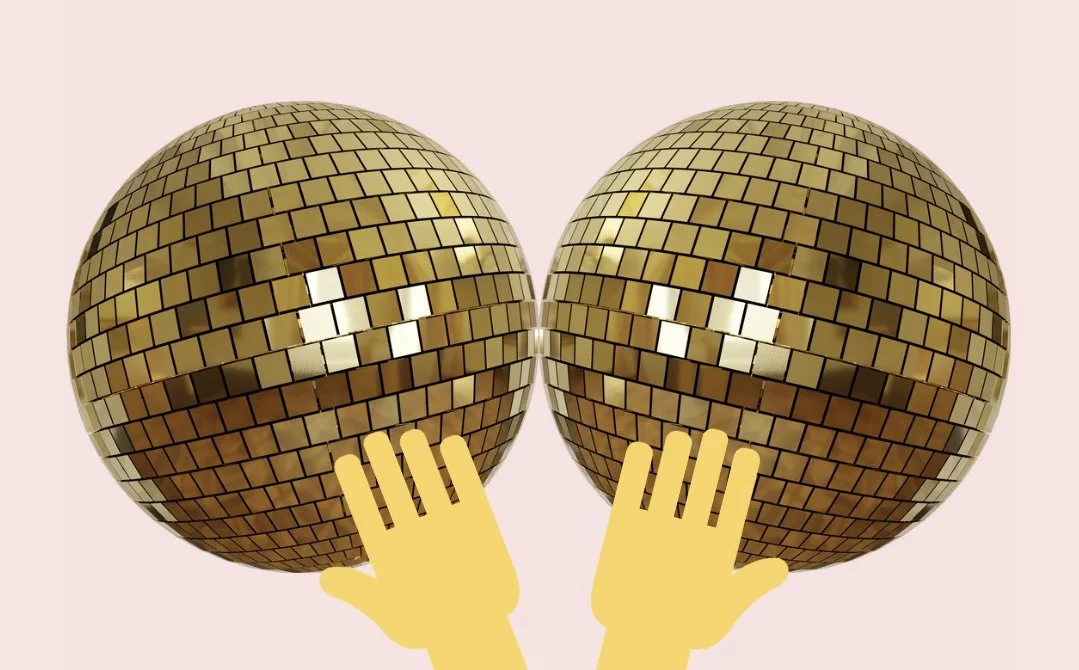
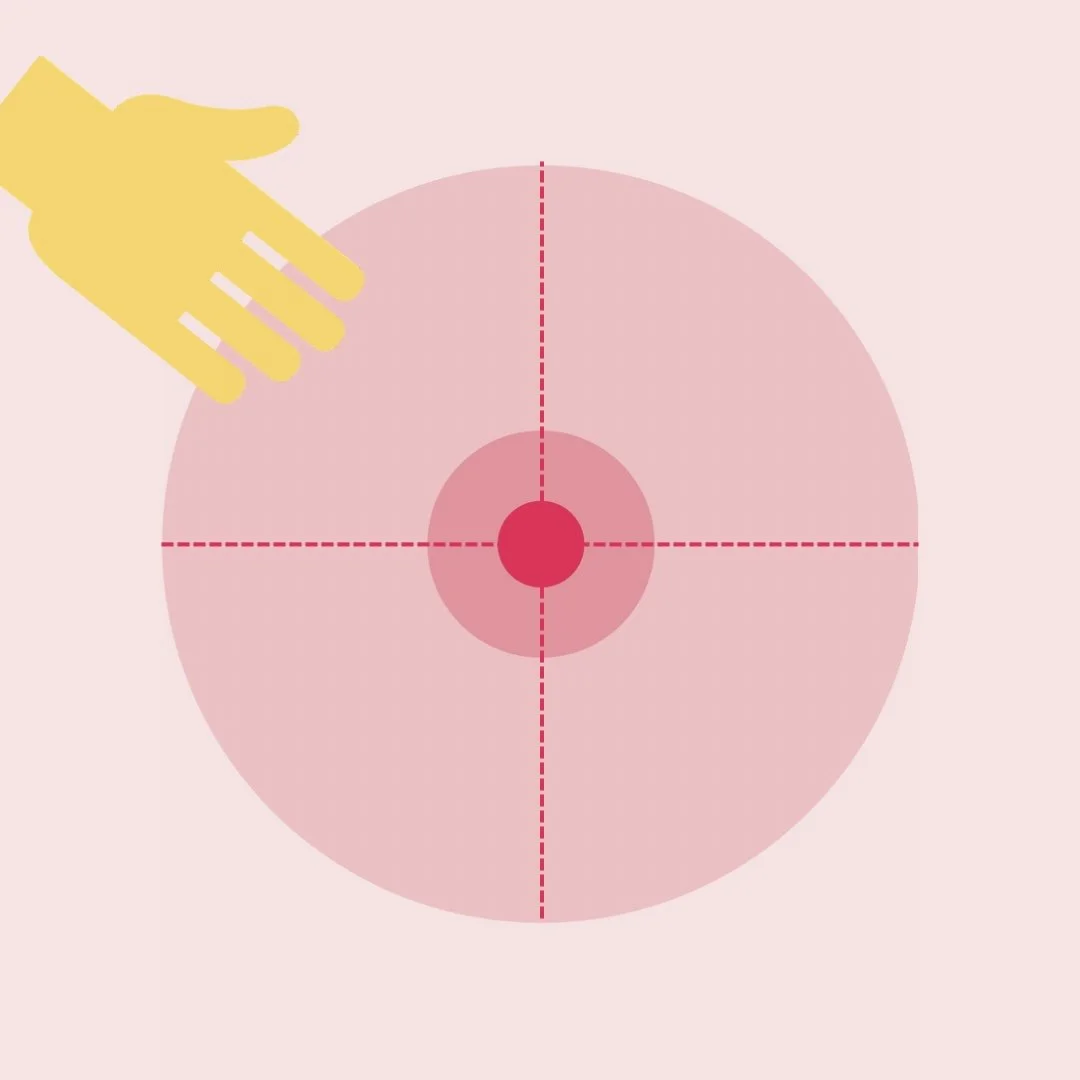
While standing, use the pads of your fingers to feel both breasts completely, taking your time and moving through one quadrant at a time. Moving methodically helps ensure nothing is missed and makes it easier to notice any changes over time.
Step 5: Feel While Lying Down
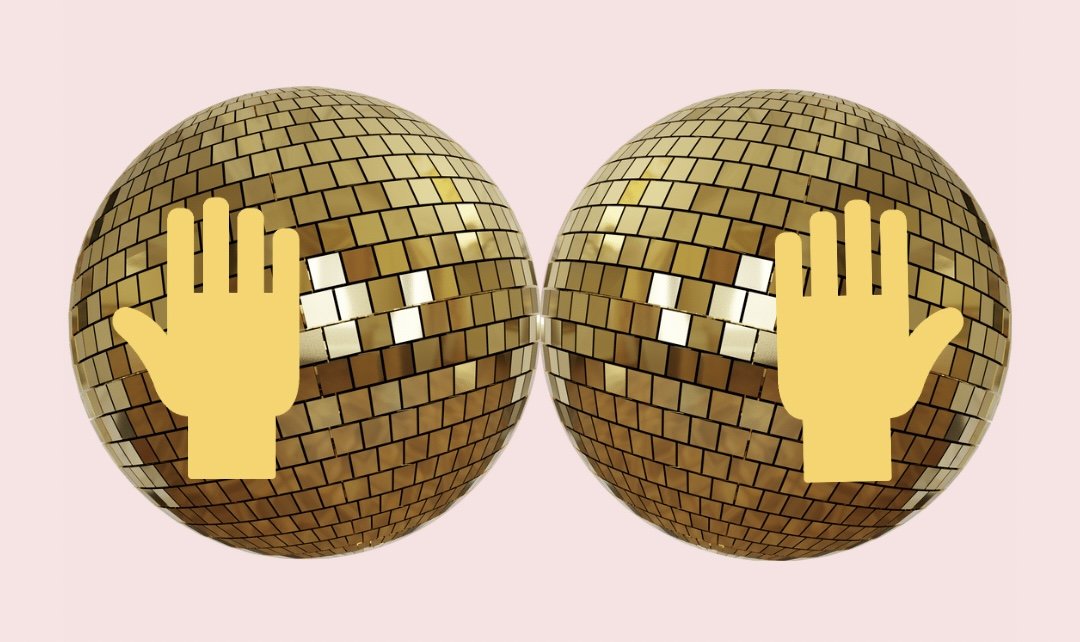
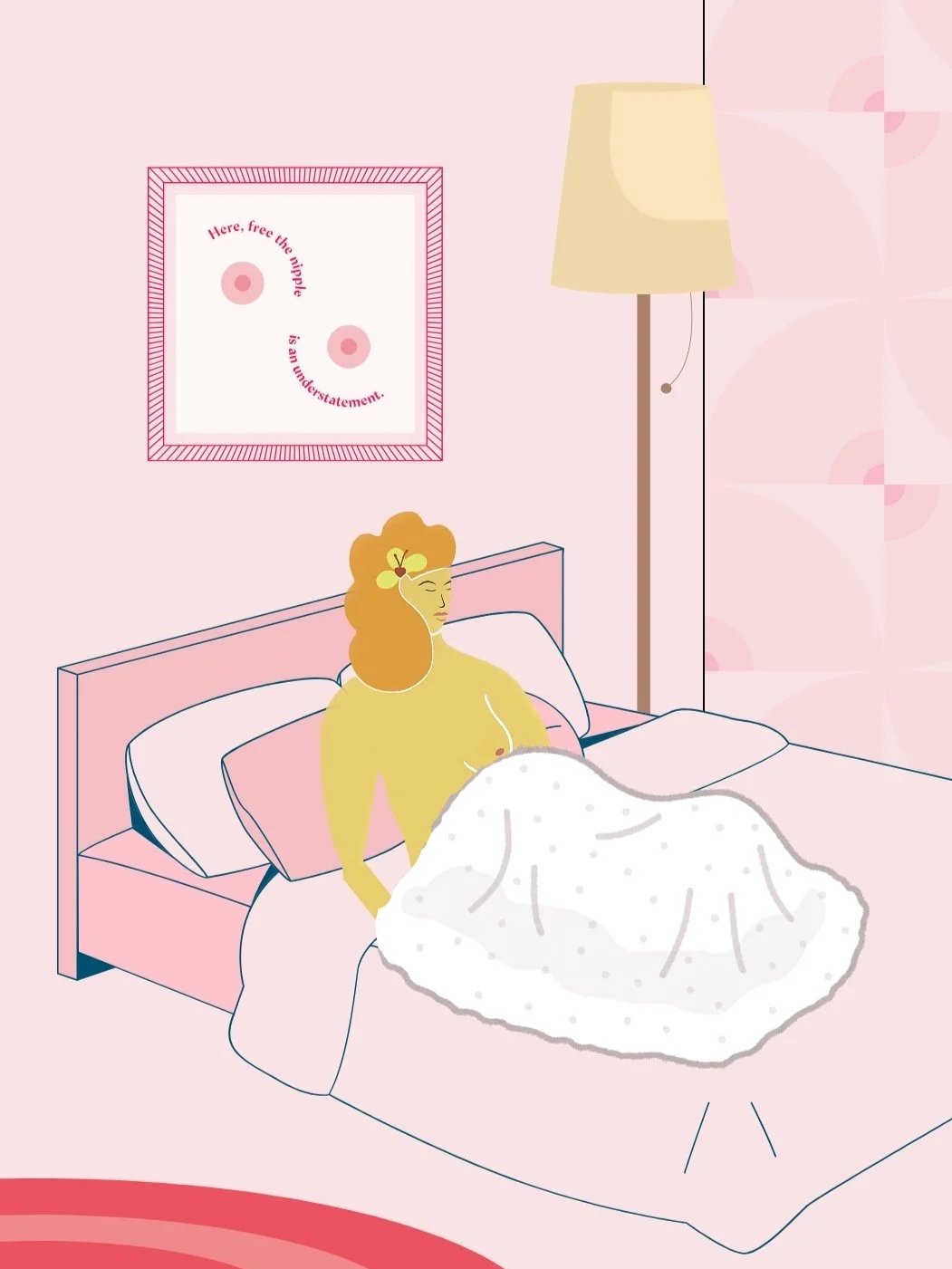
Lying down helps spread breast tissue evenly, making it easier to feel changes. Place one arm overhead and use the opposite hand to check the breast.
Take your time. There’s no rush here.
Step 6: Don’t Forget to Check

Up toward the collarbone
The nipples
Along the sides
Into the underarm area
A Note for Survivors: Yes, Still Check After a Mastectomy
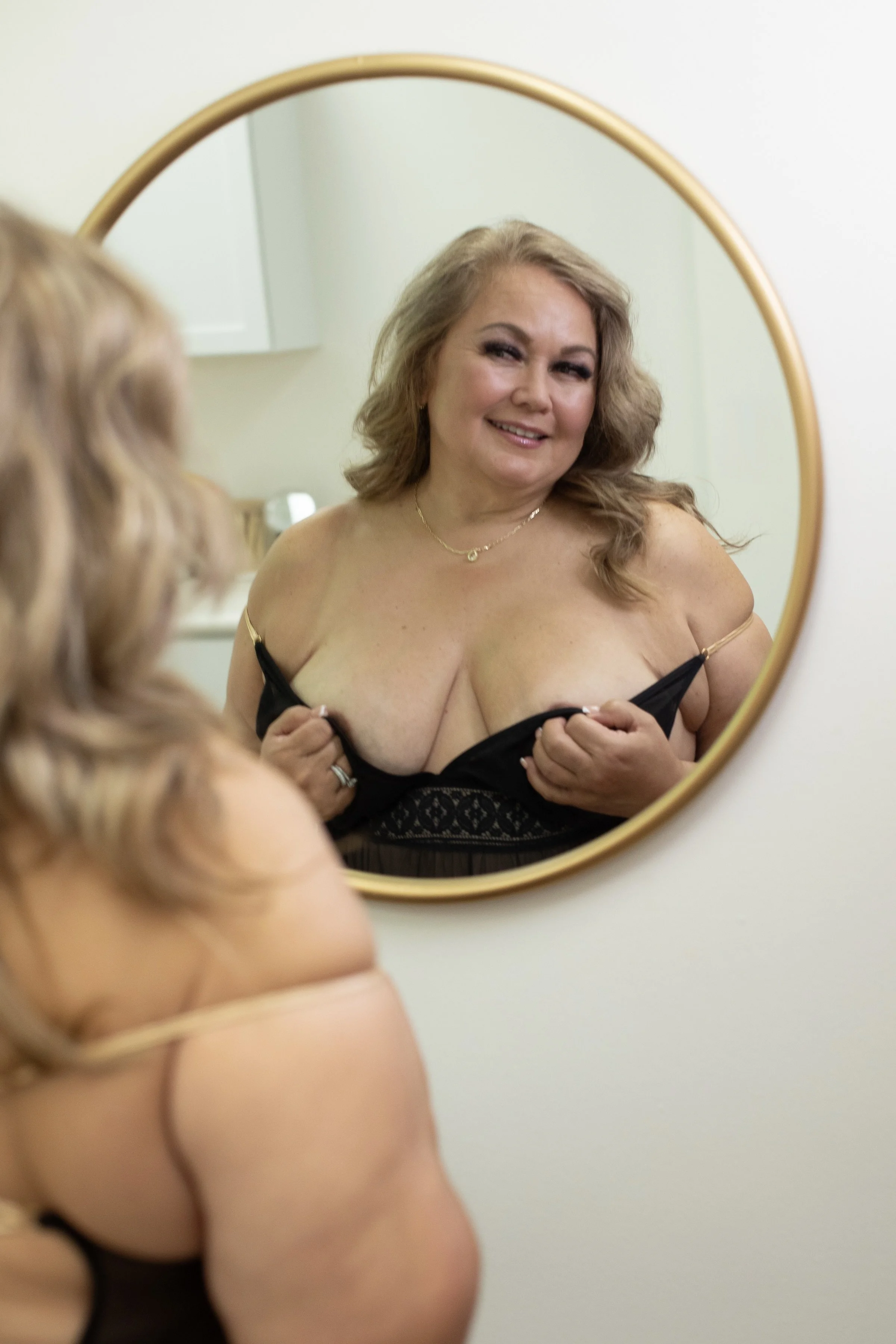
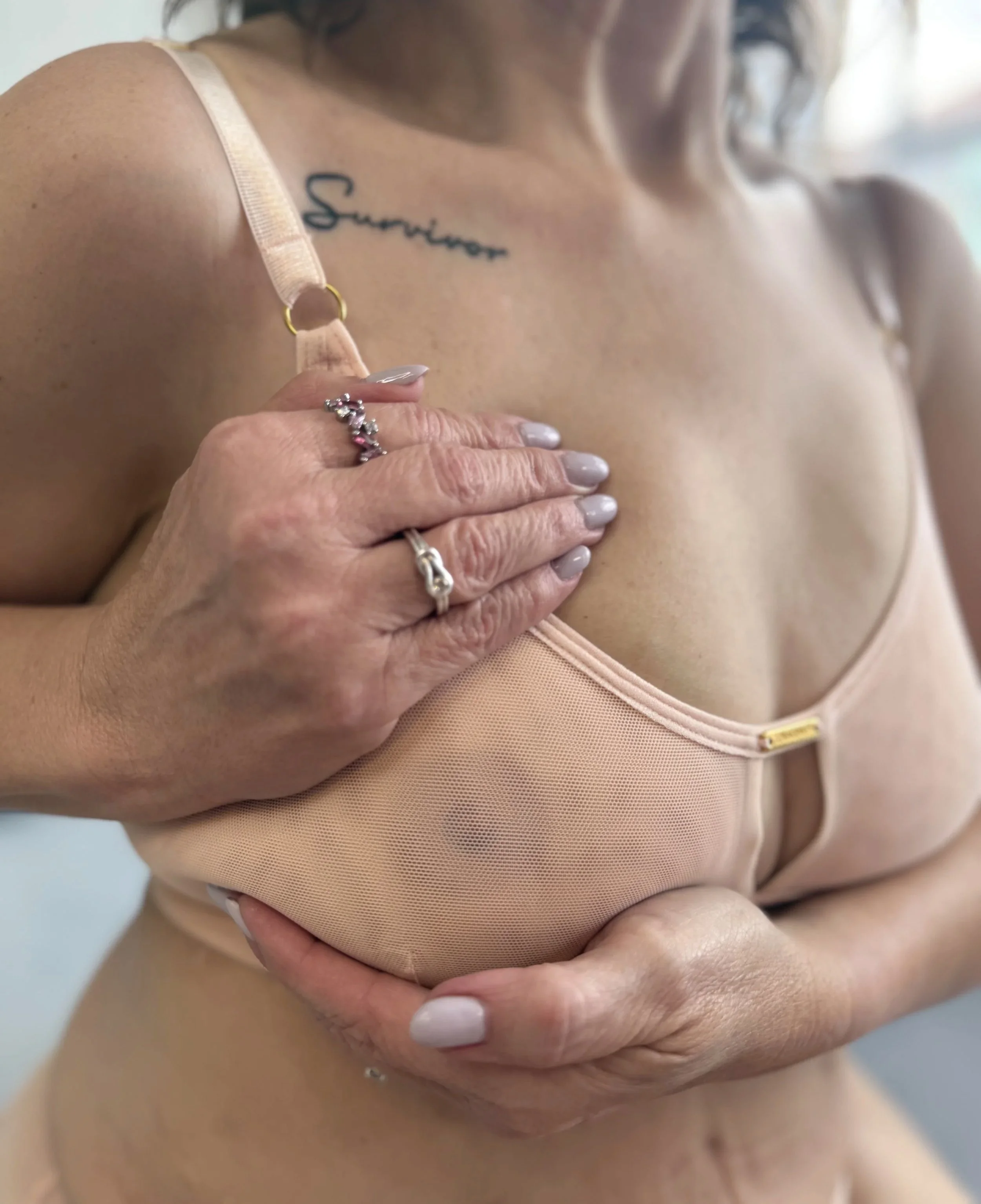
Even after a mastectomy — with or without reconstruction — self-exams still matter.
Changes can occur in:
The chest wall
Scar lines
Around implants or expanders
The underarm or collarbone area
Checking yourself monthly helps you stay connected to your body and notice changes early. This applies whether you’re flat, reconstructed, tattooed, or anywhere in between.
And Yes — Men Too
Breast cancer doesn’t only affect women. Men have breast tissue, and while it’s less common, men can be diagnosed with breast cancer.
Everyone deserves body awareness. Everyone deserves early detection.
Make Your Health a Priority in 2026
As we step into a new year, consider this your gentle reminder: your health doesn’t need to be earned. It doesn’t need to wait until you “have time.”
Let 2026 be the year you tune into your body and advocate for yourself
A monthly self-exam is a promise you can keep — to yourself.
A Little Reminder That Sticks 💗
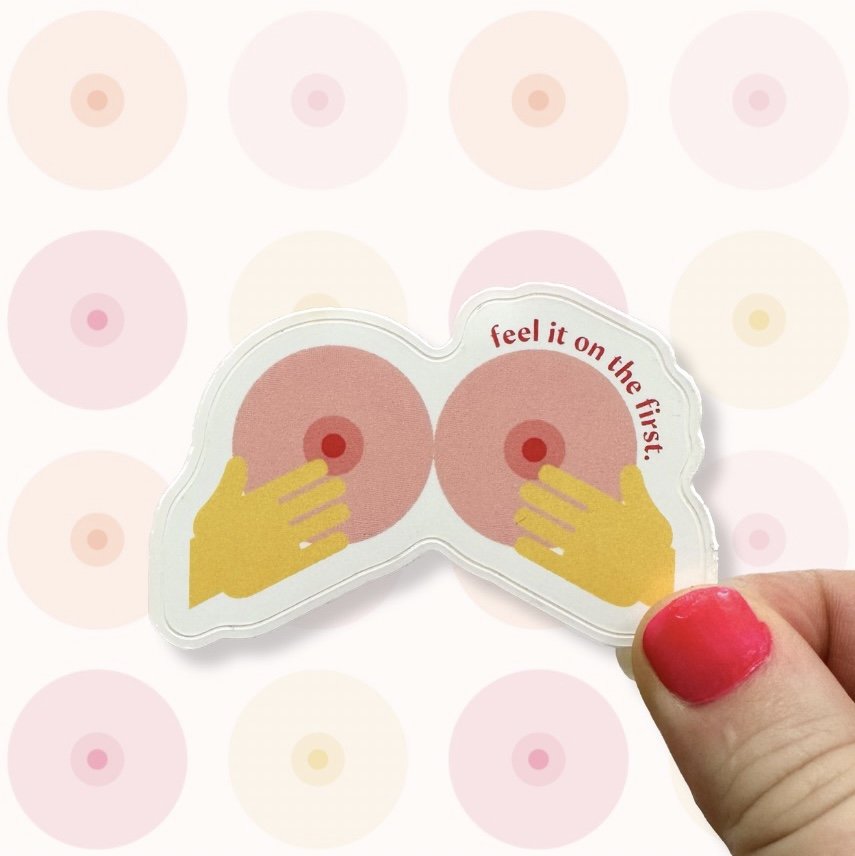

We created Feel It on the First stickers as a visual nudge to keep this practice top of mind. Stick one on your mirror, planner, or phone case — anywhere you’ll see it when the first of the month rolls around.
Sometimes the smallest reminders lead to the biggest habits.
Want the Full Step-by-Step Guide?
This blog is just the beginning.
👉 Click here to access our full breast self-exam guide, including:
Exactly where to check
Video walk-throughs for each step
What signs and changes to look for
Tips for making self-exams part of your routine
Your body deserves attention, care, and compassion — this year and every year.
Here’s to a connected, empowered, and healthy 2026. 💫
