
The Woman in the Mirror: Linda's Journey to Feeling Beautiful After Breast Cancer
An Inspiring AND Desired Story | Perky x Happily EPIC After
What happens when the woman you've finally learned to love is suddenly faced with a diagnosis that threatens to change everything? For Linda, breast cancer arrived just as she was beginning to enjoy a new chapter of life. Retirement was supposed to be a time of freedom. A time to slow down, enjoy herself, and embrace the woman she had become.
Instead, Mother's Day weekend in 2025 brought news that would change the way she saw her future—and for a while, the way she saw herself.
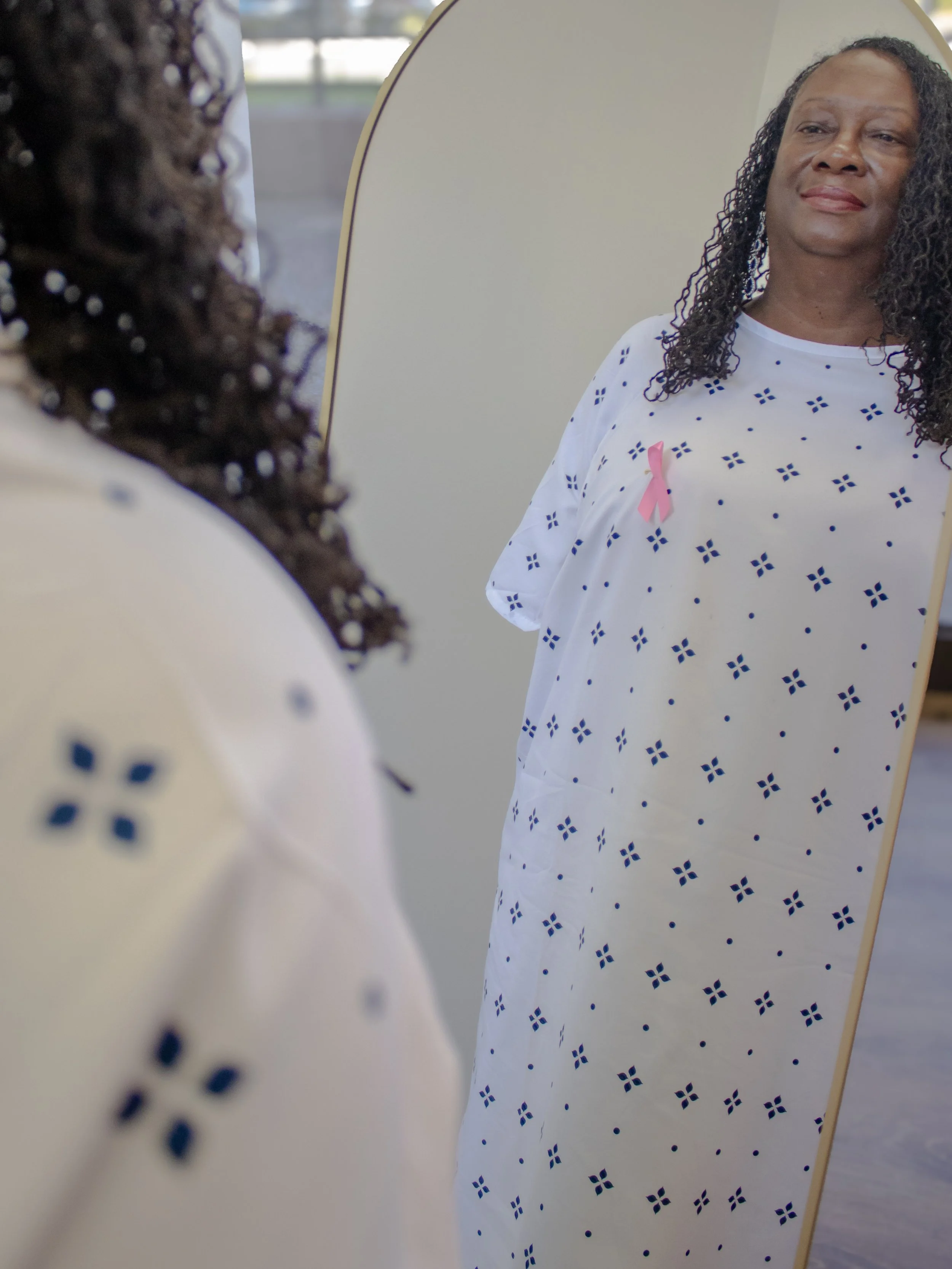
A Diagnosis That Changed Everything
"I learned that I had breast cancer in 2025, the weekend of Mother's Day. And that was a little bit of a gut punch."
"It really scared me. Cancer is a really scary thing when you hear that you have it." Her fear wasn't limited to the diagnosis itself. It reached into deeply personal parts of her identity.
She had finally reached a point in life where she was feeling good about herself. She was beginning to enjoy retirement and everything this new chapter had to offer. Then, as she put it, "Cancer struck."
And with it came questions she hadn't expected to face.
What would happen to her body? Would she still recognize herself? Would she still feel like the woman she had worked so hard to embrace?
And perhaps one of the most vulnerable questions of all: Would she still be desired?
When Breast Cancer Challenges Your Womanhood
For many women, breast cancer is more than a medical diagnosis. It can affect the relationship they have with their bodies, their confidence, their sexuality, and their sense of femininity. For Linda, those feelings became especially powerful when she began considering her surgical options.
She chose to undergo a bilateral mastectomy with DIEP flap reconstruction. A DIEP flap reconstruction uses tissue from the lower abdomen to reconstruct the breast after mastectomy. Unlike breast reconstruction using implants, this procedure uses a woman's own tissue.
Linda's decision to remove both breasts was rooted in her desire to reduce the possibility of developing breast cancer in the other breast. But even when a woman feels confident in her medical decisions, the emotional weight of those decisions can be enormous. Linda wondered what her body would look like afterward and what those changes might mean for her identity.
"I thought... I'm going to lose my womanhood."
She feared that removing her breasts would somehow remove the parts of herself that made her feminine and desirable.
"No one will desire me at that point."
That fear is one we believe deserves to be spoken about openly. Because although breasts do not define womanhood, the emotional connection a woman has with her body is real. And when cancer changes that body, there can be grief for what was lost, even when the treatment was necessary or chosen.
The Fear of No Longer Being Desired
Throughout our Inspiring AND Desired campaign, we've explored a question that doesn't always receive enough attention in traditional breast cancer awareness messaging:
Why are women affected by breast cancer so often celebrated for being inspiring, but not always seen as desirable?
We call women strong.
We call them warriors.
We celebrate their courage and resilience.
But sometimes, in doing so, we forget that they are still women who want to feel attractive, confident, feminine, sexy, and desired. Linda's story speaks directly to that experience. Her fear wasn't simply about surviving cancer. It was about whether she would still be seen as the woman she was before it.
And that is an incredibly human fear. Because the desire to feel beautiful or wanted doesn't disappear with age, retirement, a cancer diagnosis, or a mastectomy.
It doesn't make someone vain.
It makes them human.
A woman can be grateful for treatment that helps save her life while simultaneously grieving changes to her body. She can be proud of her strength and still long to feel beautiful. She can be inspiring and desired.
Those experiences are not mutually exclusive.
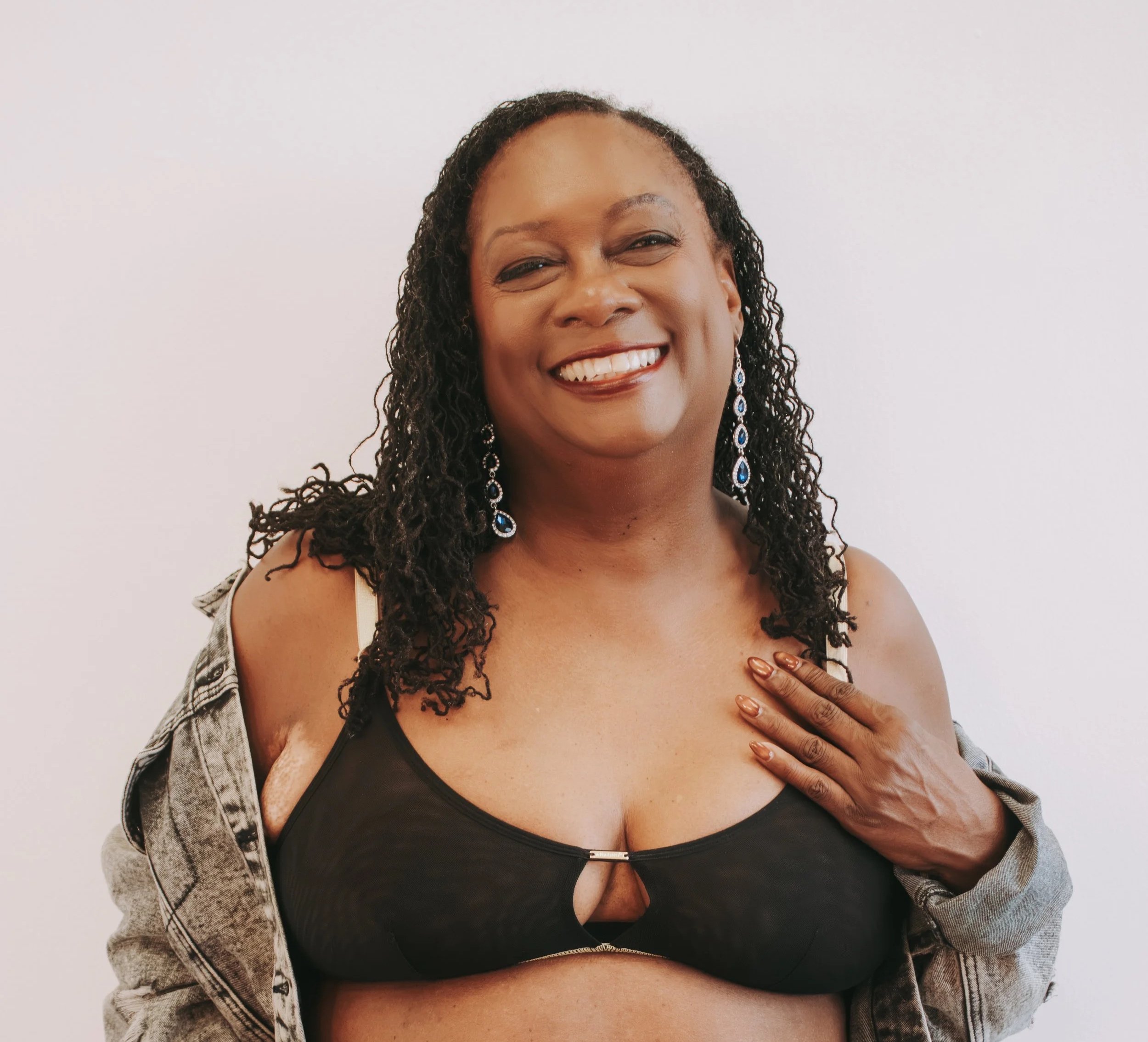
Finding Herself Again After Surgery
Linda's journey toward feeling like herself again didn't happen overnight.
After undergoing her surgeries, she began working through the emotional side of her experience with the help of counseling. And slowly, something began to shift. She started to see herself again. Not simply the changes cancer had brought to her body. Not only the scars or the surgeries.
But Linda. The woman who had been there all along.
"After all the surgeries, and I have been going through counseling as well, I started seeing myself whenever I look in the mirror."
That statement is powerful because it acknowledges something important: physical recovery and emotional healing are not always the same thing.
A body may heal from surgery while the person living in that body is still learning how to feel comfortable in it. Counseling became part of Linda's process of reconnecting with herself. Her story reminds us that healing can involve more than medical appointments, procedures, and physical recovery.
Sometimes, it also involves giving yourself permission to grieve, to ask for support, and to rebuild your relationship with the person you see in the mirror.
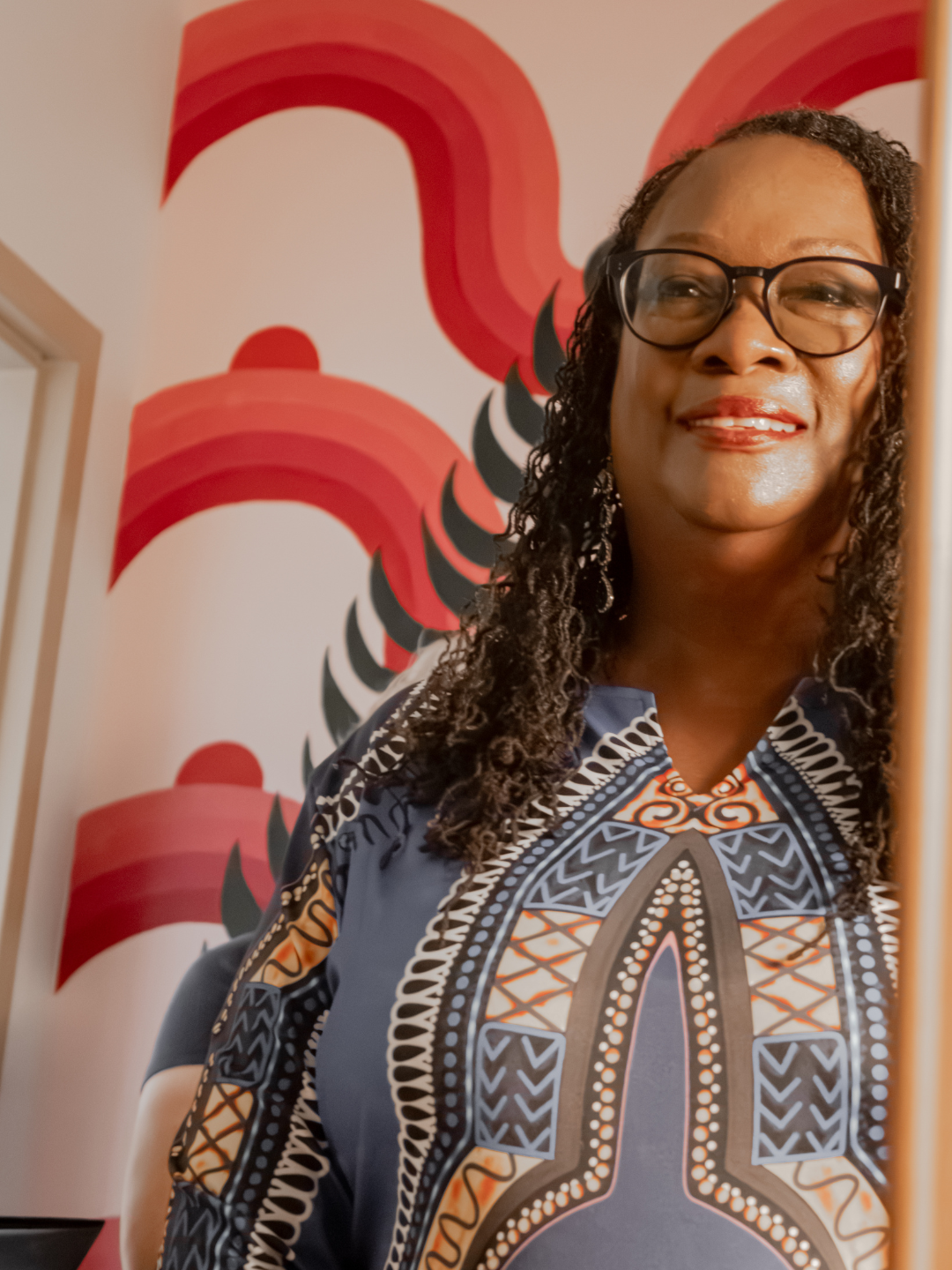
The Woman in the Mirror
Today, Linda has a message for herself.
And it's one we think every woman deserves to hear.
When she looks in the mirror, she tells herself:
"You are beautiful. You are strong. You are a survivor."
Those words aren't about pretending cancer never happened. They're about refusing to let it take away her ability to recognize her own beauty.
Linda isn't waiting for someone else to tell her she's worthy. She's learning to tell herself. After experiencing the fear that no one would desire her, Linda is rebuilding something just as important: her own sense of self-worth.
She is recognizing the woman she is today.
Not despite everything she has experienced, but with the understanding that those experiences are only part of her story.
Life Doesn't Stop Being Yours After Breast Cancer
One of the things we love most about Linda's story is that it challenges the idea that confidence, femininity, and desirability belong to a certain age or stage of life.
Linda was beginning to enjoy retirement when she received her diagnosis. She had reached a chapter that should have been about living life on her own terms.
And although breast cancer interrupted that chapter, it didn't take away her right to continue writing it. Her story is a reminder that women don't age out of wanting to feel beautiful.
They don't stop deserving intimacy, affection, or desire. And they don't have to surrender their identities to a diagnosis.
Breast cancer may change the body. It may change plans. It may change the way a woman sees herself for a while.
But it doesn't get to decide whether she is worthy of feeling beautiful or desired.
"Live Your Life Like No One Is Watching."
Of everything Linda shared with us, these words may be our favorite:
"Live your life like no one is watching."
It's a beautiful reminder that life after breast cancer doesn't have to revolve around other people's expectations. You don't have to look a certain way. You don't have to feel confident every day. You don't have to turn every difficult experience into an inspirational lesson. And you certainly don't have to prove your femininity or desirability to anyone.
You are allowed to embrace the woman you are, in the body you have, at the stage of life you're in.
For Linda, that means looking in the mirror and choosing to see herself again.
Beautiful.
Strong.
A survivor.
And so much more. Because Linda isn't just inspiring. She's a woman who deserves to feel desired, too.
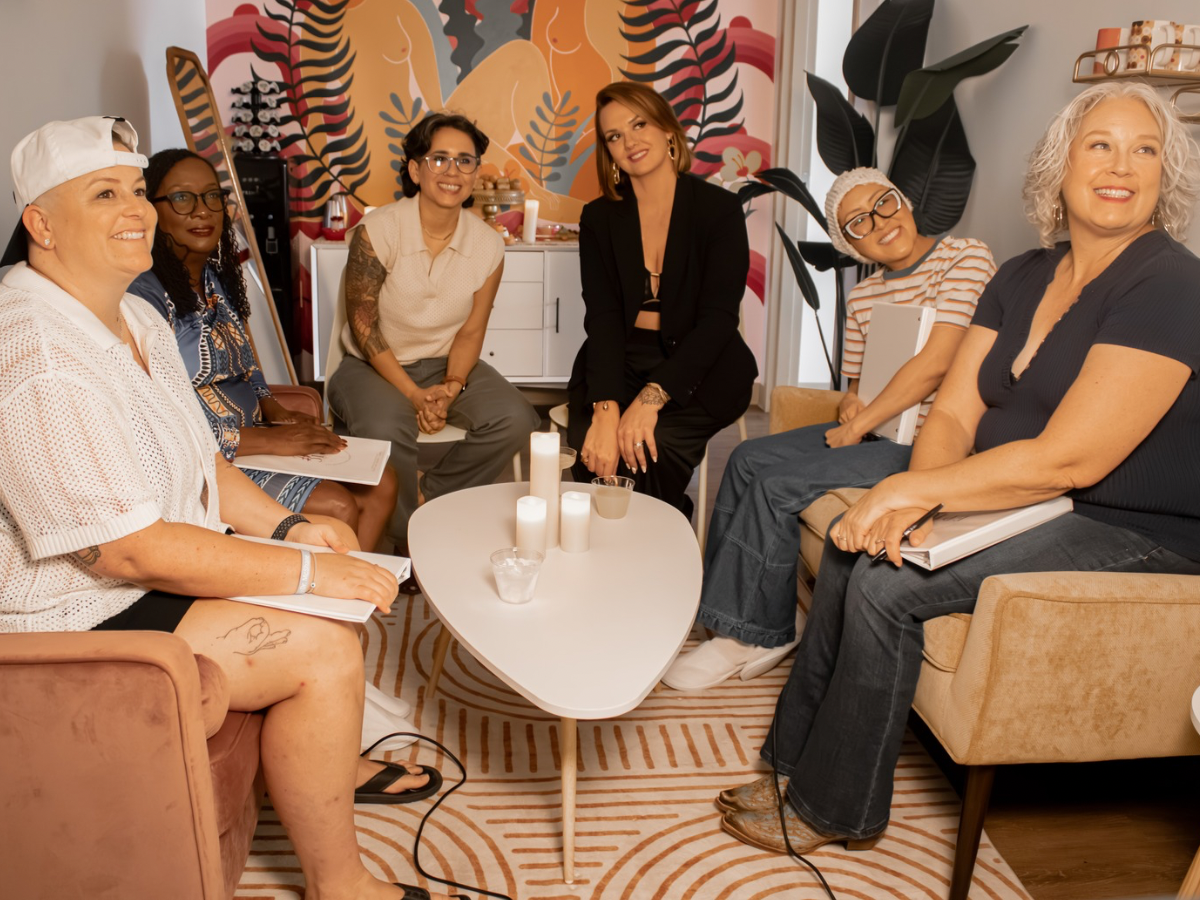
Beyond the Ribbon
Linda is one of six women featured in Perky x Happily EPIC After's Inspiring AND Desired campaign, which explores the realities of life during and after breast cancer through photography and honest conversations.
Through our Step Into Her Reality documentary and ongoing conversations, we're sharing perspectives on identity, body image, intimacy, survivorship, previvorship, and metastatic breast cancer.
Our hope is that these stories encourage people to see the whole woman—not just her diagnosis.
You know the ribbon. Now get to know the women behind it.
